
Professor
Office: 104, N Block, BSBE
Email: vibin@iitg.ac.inPhone: 91 361 258 2227, 291 9160
Fax: 91 361 258 2249
Research Areas: Network medicine, Bionanocatalysis, Drug delivery
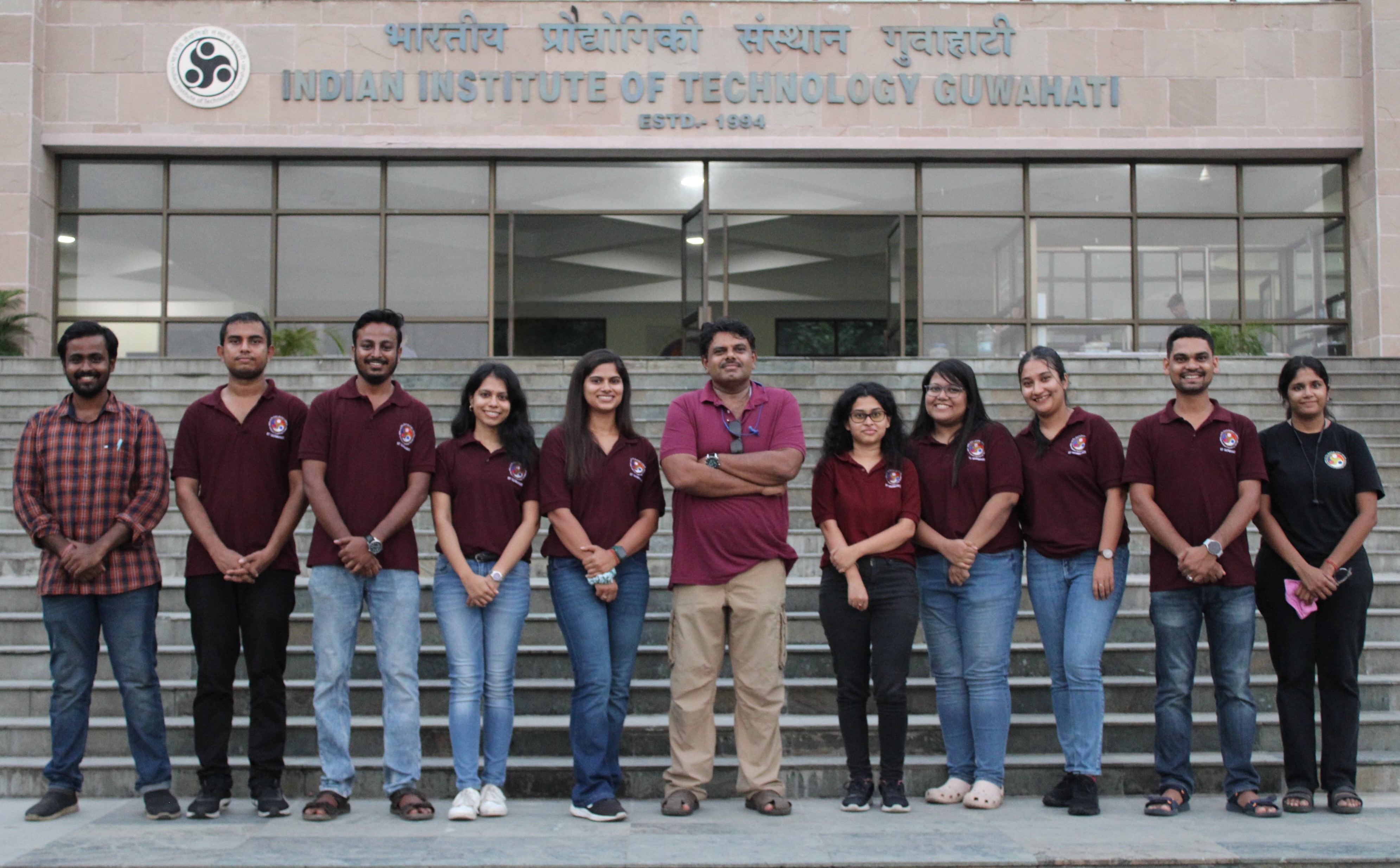
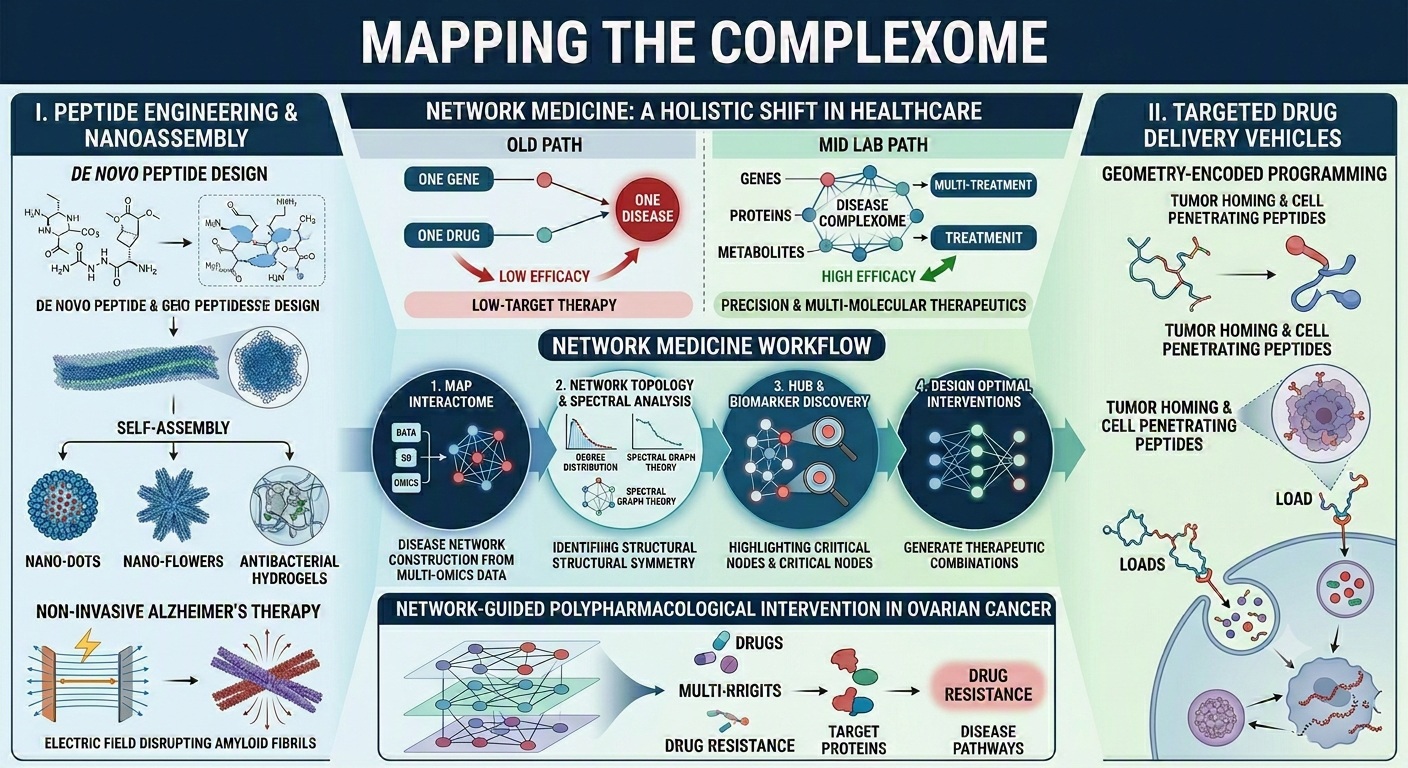
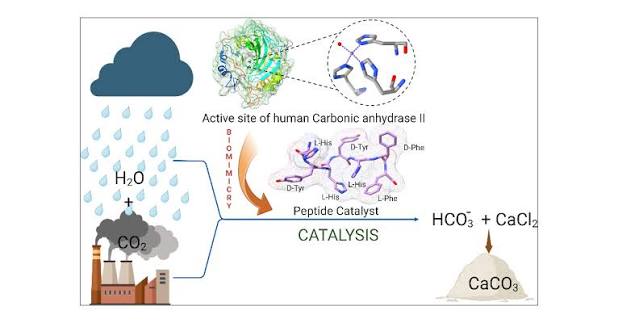
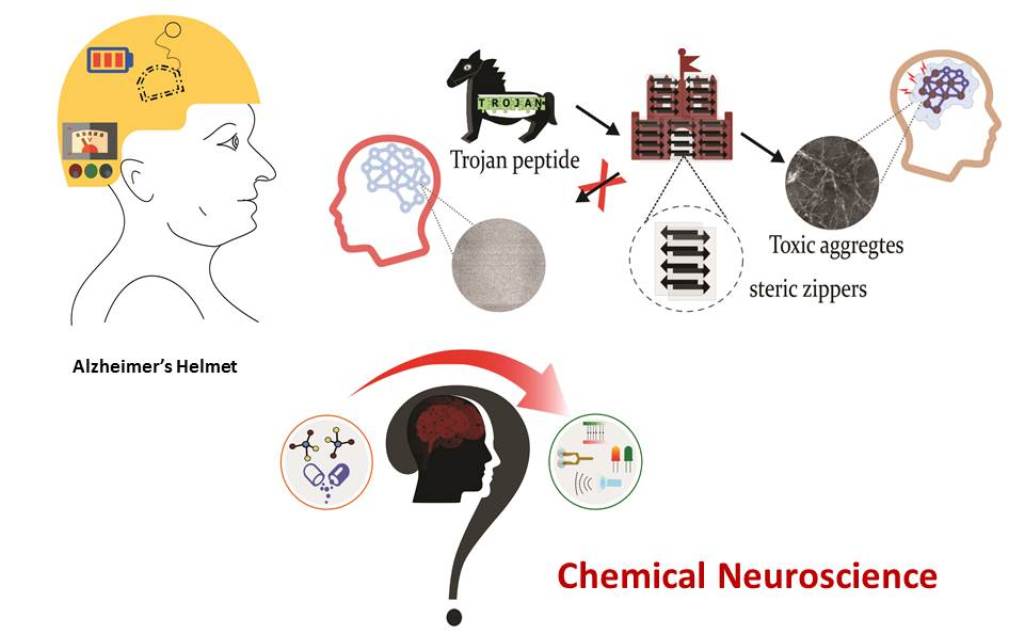
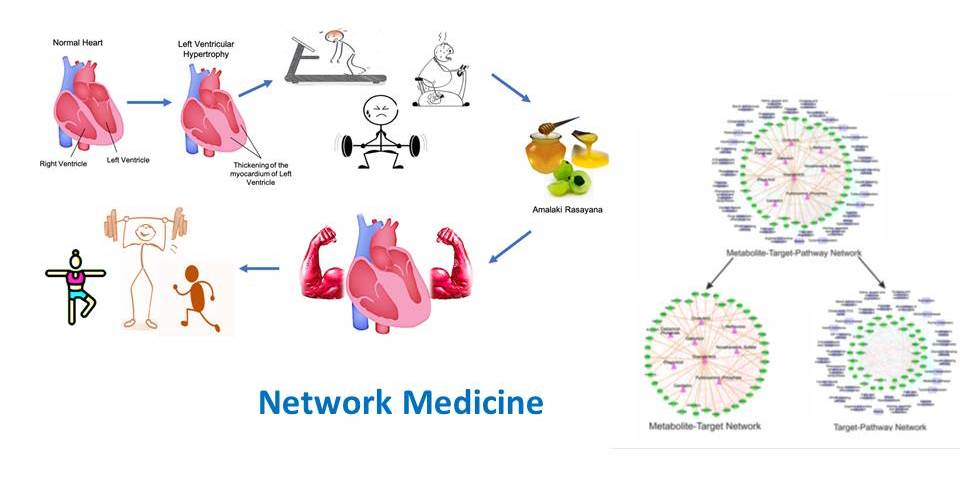
Molecular Informatics & Design (MID) Laboratory headed by Professor Vibin Ramakrishnan operates at the cutting-edge intersection of Network Medicine, Drug Delivery, and Bionanocatalysis. By moving beyond traditional reductionist approaches, MIDians adopt a systems-level perspective to understand how the spatial arrangement and topological properties of molecules dictate biological functions. This holistic strategy is particularly influential in decoding the "complexome" of diseases, allowing for the prediction of multi-target interactions to overcome drug resistance in conditions like cancer and cardiovascular diseases.
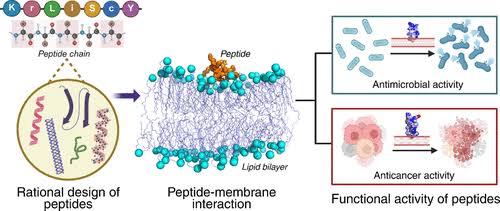
A significant portion of the recent work from MID focuses on peptide engineering and the development of advanced drug delivery systems. MID laboratory utilizes information-based modeling to design "tumor-homing" and cell-penetrating peptides, specifically targeting aggressive forms of cancer such as triple-negative breast cancer. Furthermore, Professor Ramakrishnan has made pioneering contributions to Chemical Neuroscience, notably developing potential non-invasive therapies for Alzheimer’s disease by using electric fields to disrupt amyloid aggregation. With numerous patents and high-impact publications, MID lab effectively bridges the gap between fundamental molecular theory and applied clinical solutions.
Publications (Latest Six)
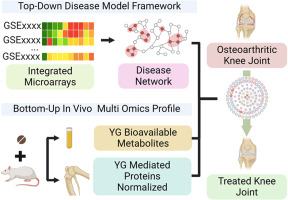
1. Amay Sanjay Redkar, Arun Surendran, ... Sharad Pawar, Vibin Ramakrishnan*. Multi-Omics Mechanistic Investigation of Yograj Guggulu, an Ayurvedic Polyherbal Formulation, against MIA-Induced Osteoarthritis in Rats Journal of Ethnopharmocology (2026) 370, 122058 Doi: https://doi.org/10.1016/j.jep.2026.122058. Publisher: Elsevier. Impact Factor: 6.8
2. Kalpana Kumari, Kirthi Joshi, Naveen Kumar, Vipin Agarwal and Vibin Ramakrishnan*. Functional Catalysis by Heterochiral Peptides Designed to Mimic Carbonic Anhydrase for Carbon Dioxide Sequestration. ACS Sustainable Chemistry & Engineering, 14, 19, 9038-9053. (2026) Doi: 10.1021/acssuschemeng.5c13156. Publisher: American Chemical Society. Impact Factor: 7.6
3. Kalpana kumari and Vibin Ramakrishnan*. Mechanisms of self-assembly, dynamic modulation, and emerging functional applications of supramolecular peptide assemblies. Discover Applied Sciences (2026) Doi: 10.1007/s42452-026-08279-9. Publisher: Springer. Impact Factor: 3.8
4. Kalpana Kumari, Naveen Kumar and Vibin Ramakrishnan*. Electric Field Directed Structural Modulation and Nanoassembly of Peptide Hydrogels. Langmuir (2026) Doi: 10.1021/acs.Langmuir.5c06894. Publisher: American Chemical Society Impact Factor: 4.4
5. Yvonne Christian, Naveen Kumar, Vibin Ramakrishnan*. Functional Modulation of Peptide Structural Interaction Fingerprints upon Stereochemical Diversification (2025) The Journal of Physical Chemistry B 129 (46) 11901-11912. Publisher: American Chemical Society Impact Factor: 3.2
6. Moirangthem Anita Chanu, Kalpana Kumari, Laxmi Raman Adil, Vibin Ramakrishnan, Parameswar Krishnan Iyer. Modulation of Backbone Charge in Polyfluorene Polyelectrolytes for Potent Antibacterial Application. (2025) ACS Applied Polymer Materials 7 (23) 16262-16272. Publisher: American Chemical Society. Impact Factor: 5.2
Recent News
Amay and Mouli submitted thesis. Two new PhD students, Anuradha and Nabanita joins MID. new
Posted on : 2026-19-09
Publications
Ongoing Projects
Books
Patents
Students