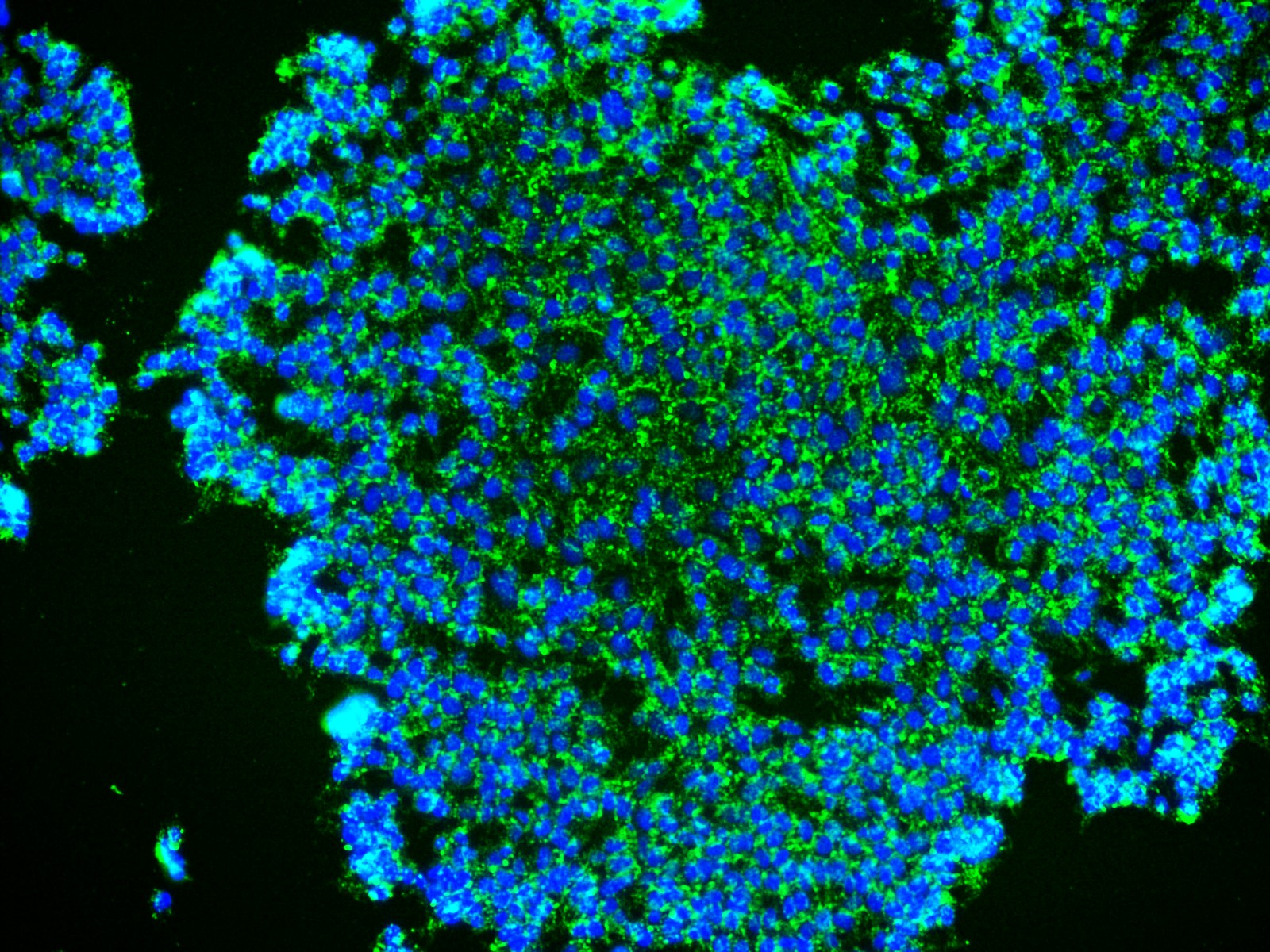
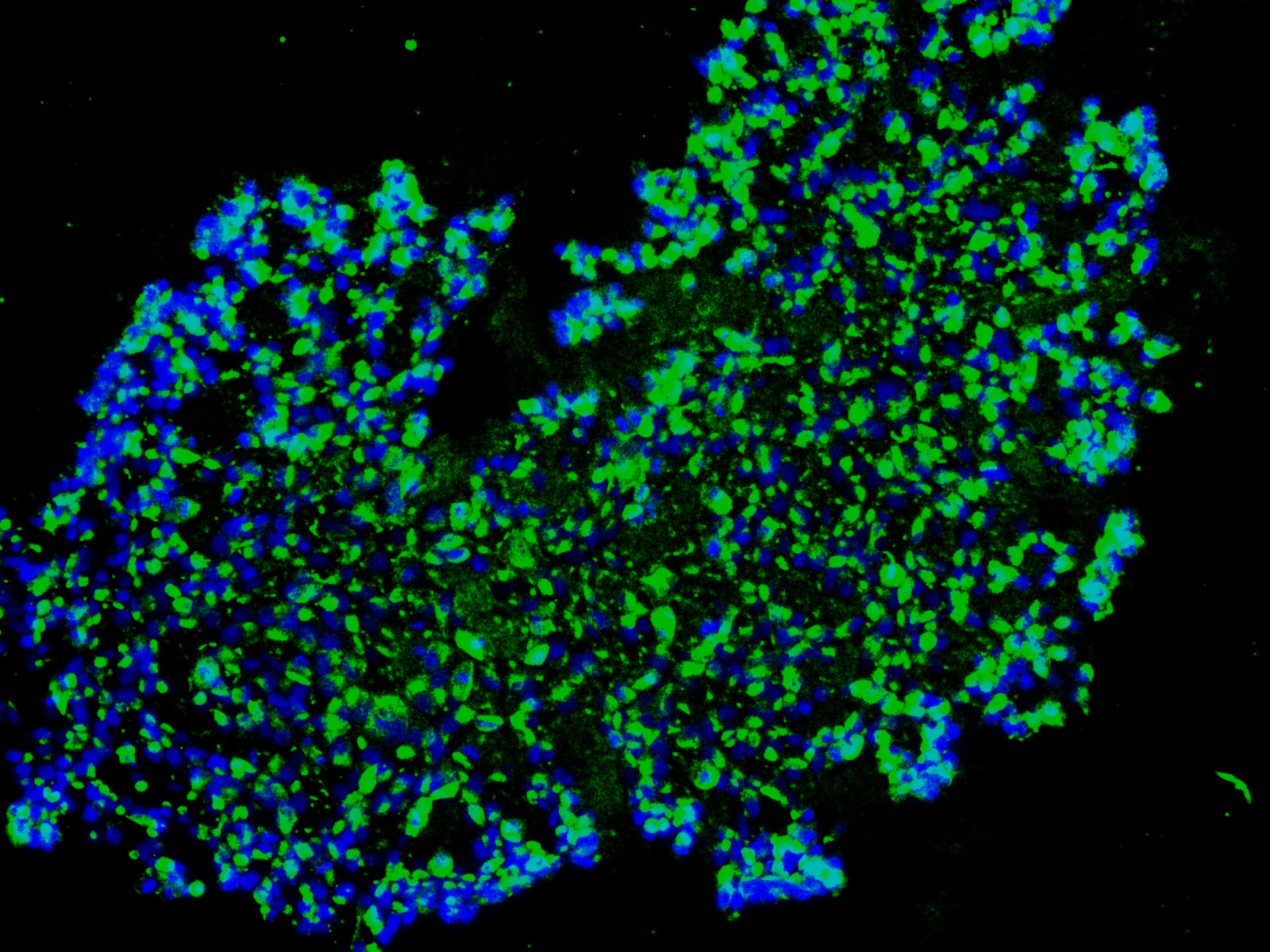
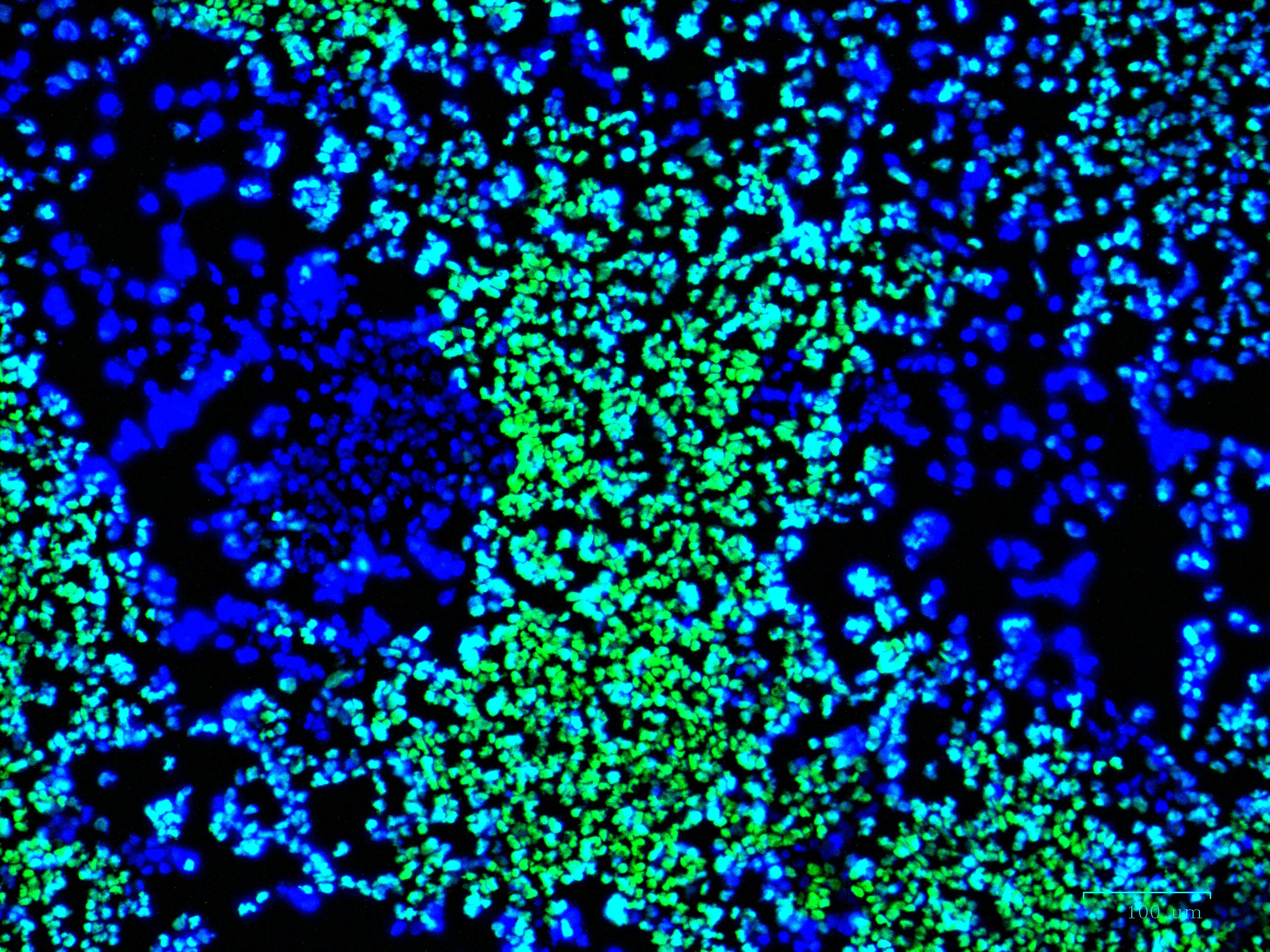
We develop safe non-integrative strategies for iPSC generation, reprogramming mechanisms, genome editing, and differentiation into functional cell types - including cardiomyocytes, β-cells, and neutrophils - while uncovering transcriptional, epigenetic, and heterogeneity features of stem cells.
Our interdisciplinary programme spans stem cell biology, protein biochemistry, epigenetics, and translational medicine - all in pursuit of safer, more effective cell reprogramming and regenerative strategies.
Developing safe, non-integrative strategies to generate induced pluripotent stem cells (iPSCs) from somatic cells, with a focus on protein transduction-based approaches.
Producing cell-permeant, biologically active human transcription factors (OCT4, SOX2, NANOG, GATA4, MEF2C, TBX5, HAND2, PDX1 and more) from E. coli for protein transduction.
Investigating epigenetic regulators - including UTF1, NANOG, and chromatin remodellers - that govern stem cell self-renewal, gene expression, and differentiation.
Differentiating iPSCs into functional cardiomyocytes, β-cells, and neutrophils using defined chemical and molecular protocols for disease modelling and therapy.
Applying CRISPR-Cas9 and other genome editing tools in pluripotent stem cells to study gene function and correct disease-causing mutations.
Uncovering transcriptional and epigenetic heterogeneity within stem cell populations using single-cell approaches to better understand reprogramming dynamics.
Head of the Laboratory for Stem Cell Engineering and Regenerative Medicine
Dr. Rajkumar P. Thummer leads the Laboratory for Stem Cell Engineering and Regenerative Medicine (SCERM Lab) at IIT Guwahati. His research focuses on developing safe, non-integrative strategies for iPSC generation, reprogramming mechanisms, genome editing, and differentiation into functional cell types such as cardiomyocytes, β-cells, and neutrophils. The lab also investigates transcriptional, epigenetic, and heterogeneity features of pluripotent stem cells.
A key focus of the lab is producing biologically active, cell-permeant recombinant human transcription factors from E. coli - including OCT4, SOX2, NANOG, GATA4, MEF2C, TBX5, HAND2, PDX1, UTF1, and others - as tools for protein transduction-based reprogramming. Dr. Thummer played a key role in establishing the Human STEMCCA Cre-Excisable Constitutive Polycistronic (OKSM) Lentivirus Reprogramming Kit for Merck-Millipore.
SCERM Lab, BSBE, IIT Guwahati, Assam, India
Stem Cell Engineering Group, Institute of Reconstructive Neurobiology (RNB), LIFE & BRAIN Center, University of Bonn, Germany
Groningen Biomolecular Sciences & Biotechnology Institute (GBB) / UMCG, University of Groningen, The Netherlands
Thesis: Characterization and role of UTF1 in embryonic stem and carcinoma cells
Supervisor: Dr. Bart Eggen · Ubbo-Emmius PhD Scholarship (2005–2010)
University of Essex, Colchester, UK
Anand Pharmacy College, Sardar Patel University, Gujarat, India
Science & Engineering Research Board (SERB), DST, Govt. of India
Indian Institute of Technology Guwahati (IITG)
"UTF1 regulates ES cell differentiation, chromatin organization and gene expression" - 18th GBB Symposium, Groningen, The Netherlands
University of Groningen, The Netherlands
Core scientific programmes of the SCERM Lab
A primary focus of the lab is developing safe, footprint-free methods to reprogram somatic cells into induced pluripotent stem cells (iPSCs). We use protein transduction of cell-permeant recombinant transcription factors - such as OCT4, SOX2, KLF4, and c-MYC - produced from E. coli, bypassing the risks of viral vector integration. The lab has successfully generated and characterized the iPSC line IITGi001-A from adult human primary dermal fibroblasts (deposited in Stem Cell Research, 2023).
iPSCProtein transductionNon-integrativeFibroblast reprogrammingOCT4 / SOX2 / KLF4We have established a robust pipeline for producing biologically active, codon-optimised, cell-permeant versions of pluripotency and cardiac/pancreatic transcription factors from E. coli. To date, the lab has successfully expressed and purified: OCT4, SOX2, NANOG, GLIS1, UTF1, GATA4, MEF2C, MESP1, HAND2, TBX5, PDX1, PAX4, MAFA, NGN3, ETS2, and others. These proteins retain their biological activity and are used for transduction-based cell reprogramming studies.
Recombinant proteinsE. coli expressionCodon optimisationNANOG / OCT4 / SOX2GATA4 / MEF2C / TBX5PDX1 / PAX4UTF1 (Undifferentiated Embryonic Cell Transcription Factor 1) is a chromatin-associated protein expressed in pluripotent cells. The lab has studied UTF1's roles in ES cell differentiation, chromatin organisation, gene expression, and senescence. Recent work (2025) demonstrates that UTF1 expression is critical for both the generation and maintenance of human iPSCs. We also investigate Nanog's role in suppressing senescence via downregulation of p27KIP1.
UTF1NANOGEpigeneticsChromatinSenescencePluripotencyUsing iPSCs and other stem cell sources, we develop differentiation protocols to generate clinically relevant cell types. Current projects target cardiomyocytes (for cardiac repair), pancreatic β-cells (for diabetes modelling), and neutrophils (for immune studies). We also collaborate on cancer biology, exploring Wnt/β-catenin pathway inhibition in triple-negative breast cancer via organotrisulfide compounds.
Cardiomyocytesβ-cellsNeutrophilsWnt/β-cateninDisease modellingThe SCERM Lab actively collaborates with groups across IIT Guwahati and beyond, resulting in joint publications in areas including antimicrobial peptides (AMPs), digital holographic microscopy for cell classification, stimuli-responsive prodrug systems, peroxisome biology, and nanomaterials for magnetic hyperthermia. These collaborations enrich our research with diverse biotechnological and biomedical perspectives.
Antimicrobial peptidesDigital holographyProdrugsPeroxisome biologyNanomaterialsComprehensive synchronized inventory of active researchers and historic lab alumni
Research Interests: Non-integrative somatic reprogramming, footprint-free transcription factor production, human induced pluripotent stem cell line banking, genome editing, and functional directed differentiation targeting diabetes and cardiovascular repair networks.
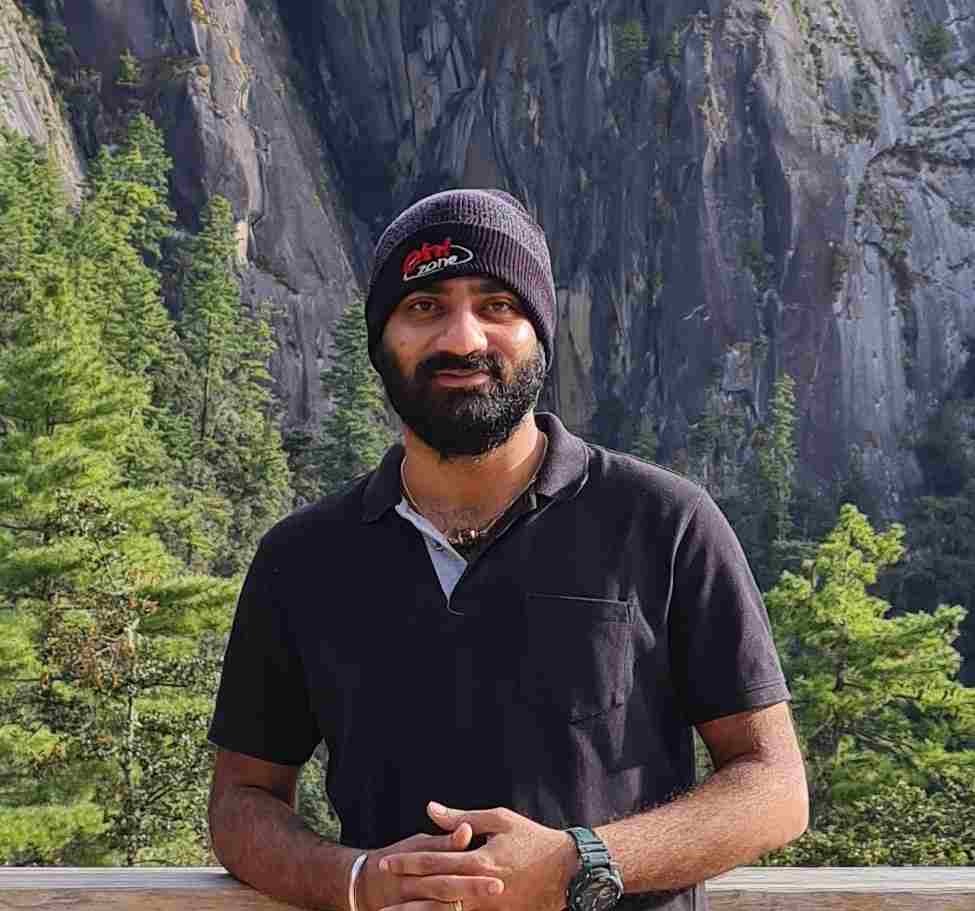
Joined: January, 2021
Research Project: Elucidating the role of human ZSCAN4 in the generation of induced pluripotent stem cells
Email: p.sundaravadivelu@iitg.ac.in
ResearchGate Profile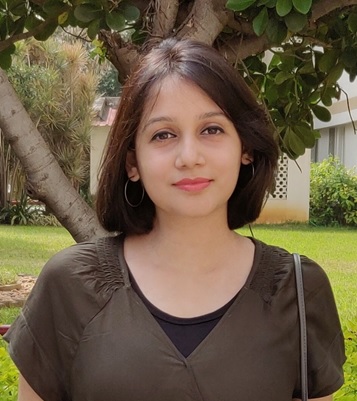
Joined: January, 2022
Research Project: Generation of integration-free functional cardiomyocytes by direct reprogramming strategy for prospective cell therapeutic applications
Email: atreyee@iitg.ac.in
ResearchGate Profile
Joined: August, 2021
Research Project: Direct reprogramming of human fibroblasts into pancreatic beta-cells using pancreatic-specific transcription factors
Email: naveenraj@iitg.ac.in
ResearchGate Profile
Joined: July, 2023
Research Project: iPSCs-derived neutrophils expressing chimeric antigenic receptor for targeted breast cancer therapy
Email: harsh.vsingh@iitg.ac.in
ResearchGate Profile
Joined: July, 2025
Research Project: Unraveling the functional role of ZSCAN4 in the maintenance of pluripotency
Email: ayushi@iitg.ac.in
ResearchGate ProfileJoined: January, 2019
Research Project: Enzymatic incorporation of unnatural nucleobases into DNA and incorporation of unnatural amino acids into proteins
Joined: July, 2021
Research Project: Enhancement of the chemotherapeutic potential of anti-cancer drugs: targeted and adjuvant delivery of anti-cancer drugs with antioxidants
Joined: August, 2021
Research Project: Magnetic nanoformulations for hyperthermia in cancer treatment
Joined: July, 2023
Research Project: Stimuli responsive turn on fluorogenic delivery of anticancer drugs
Joined: July, 2023
Research Project: Chemical modification of DNA-targeting anti-cancer drugs for enhanced therapeutic efficacy
Joined: July, 2023
Research Project: Understanding the role of small-molecule enzyme inhibitors as anti-cancer agents
Joined: January, 2025
Research Project: Development of urine-derived, mechanically reprogrammed hepatocytes with functional bile canaliculi
Joined: July, 2025
Research Project: Development of modified biopolymers with antibacterial activities
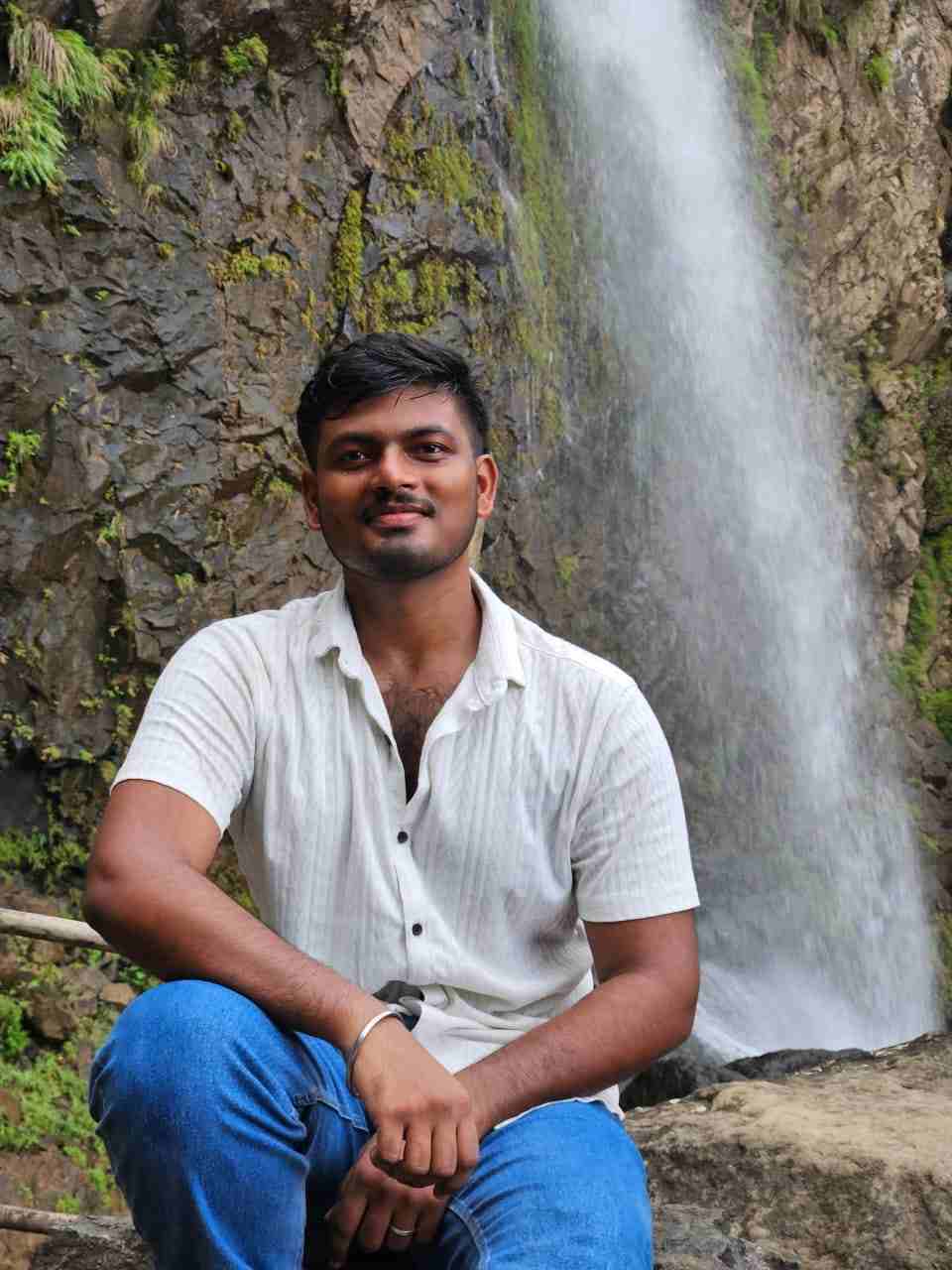
Timeline: Expected Completion 2026
Thesis Title: Stabilization of purified cardiac-specific recombinant proteins to enable protein-based direct cardiac reprogramming
Status: Active Research Framework
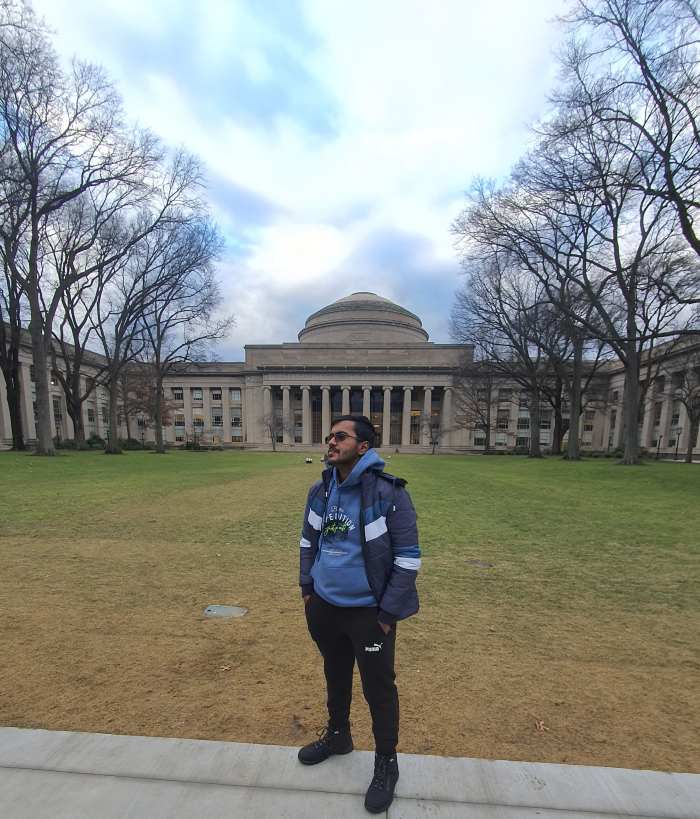
Timeline: Expected Completion 2026
Thesis Title: Differentiation of iPSCs into pancreatic beta-like cells using pancreatic specific transcription factors
Status: Active Research Framework
Timeline: Expected Completion 2026
Thesis Title: Comparative in silico evaluation of scFv vs nanobody constructs targeting HER2 domain II
Status: Active Research Framework

Joined: August, 2023
Project Assignment: Generation of integration-free human induced pluripotent stem cells using a novel gene delivery vector
Email ID: asmita.k@rnd.iitg.ac.in

Registration Period: 2018 – 2024
PhD Thesis Title: Investigating the role of human UTF1 in self renewal, differentiation and reprogramming using a CRISPR/Cas toolbox
Publications: Published high impact studies in Stem Cell Reviews and Reports (2021, 2025) and Stem Cell Research (2023).
Registration Period: 2016 – 2022
PhD Thesis Title: Establishment of a bioactive recombinant protein toolbox for the prospective generation of integration-free cardiomyocytes and other biological applications
Awarded the national AWSAR Award 2021 by DST, Govt. of India for popular science story writing. Prominent primary author across Scientific Reports, Current Research in Biotechnology, and Applied Microbiology and Biotechnology.

Registration Period: 2017 – 2023
PhD Thesis Title: Establishment of a bioactive recombinant protein toolbox for the prospective generation of integration-free induced pluripotent stem cells and other biological applications
Highlights: Received training at Kyoto University (CiRA), Japan (2018). Published widely on GLIS1 expression parameters and OCT4 native bacterial factories.

Registration Period: 2017 – 2023
PhD Thesis Title: Generation of a bioactive recombinant protein toolbox of pancreatic-specific transcription factors from E. coli
Highlights: Developed cell-permeant expression protocols for human PDX1, NGN3, and MAFA factors.

Thesis Title: Production of bioactive recombinant human ZSCAN4 protein from E. coli
ResearchGate Profile
Thesis Title: Optimization of expression and purification conditions for human GLIS1 recombinant protein in a bacterial system

Thesis Title: Soluble expression, purification, secondary structure determination and in silico analysis of human PAX4 transcription factor
ResearchGate Profile
Thesis Title: CRISPR and iPSCs: Recent developments and future perspectives in neurodegenerative disease modelling, research and therapeutics
Publications: Published reviews in Frontiers in Immunology and Neurotoxicity Research (2022).
Thesis Title: Molecular cloning, expression, purification and characterization of human GATA4, ETS2 and HAND2 transcription factors
Thesis Title: Cloning stem cell-specific reprogramming factors in a novel non-integrating viral vector
Project Period: 06/2017 - 05/2018
Thesis Title: Cloning and expression of codon optimized stem cell-specific human transcription factor Nanog in a bacterial system
Project Period: 06/2016 - 05/2017
Thesis Title: Analysis of stem cell and related patents, patenting laws and clinical trial regulations in India and other Asian countries
Thesis Title: Enhancing the stability of purified cardiac-specific recombinant proteins and optimizing lentiviral-mediated direct cardiac reprogramming
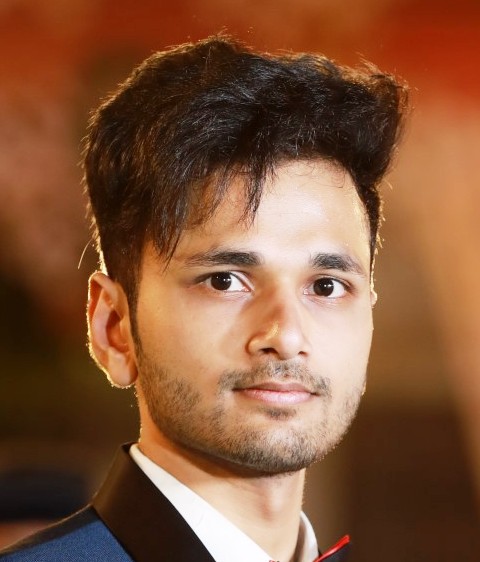
Project scope: Insilico analysis of stem cell-specific transcription factors
Email: rishabh18b@iitg.ac.in
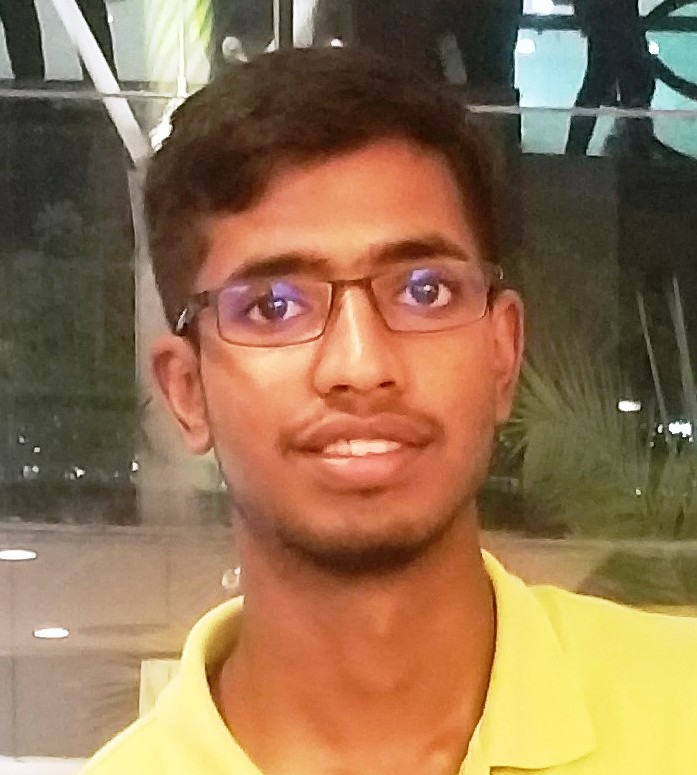
Project scope: Insilico analysis of stem cell-specific transcription factors
Email: rahul@iitg.ac.in
Project Title: Heterologous expression, purification, characterization and intra-cellular delivery of Human NANOG
Email: arnab170106013@iitg.ac.in

Project Title: Expression, purification and characterization of recombinant TBX5
Email: nayannjddas@iitg.ac.in

Project Title: Expression analysis of cell reprogramming transcription factor human GATA-3
Email: a.bhavsar@iitg.ac.in

Project scope: Generation of transgene-free human induced pluripotent stem cells using non-genetic approaches
Current Position: PhD Student; IISER Mohali, Chandigarh
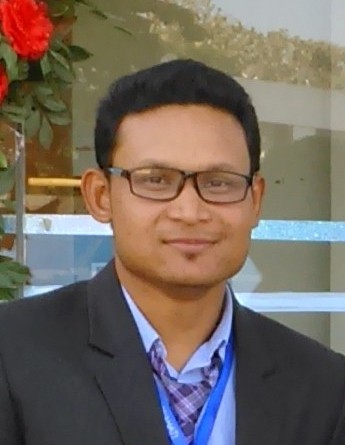
Specialization: Pharmacology & Toxicology
Key Publications: Co-authored papers on non-integrative delivery and bacterial recombinant factors in Stem Cell Reviews and Gene.
Peer-reviewed journal articles, book chapters, and global collaborative records from SCERM Lab
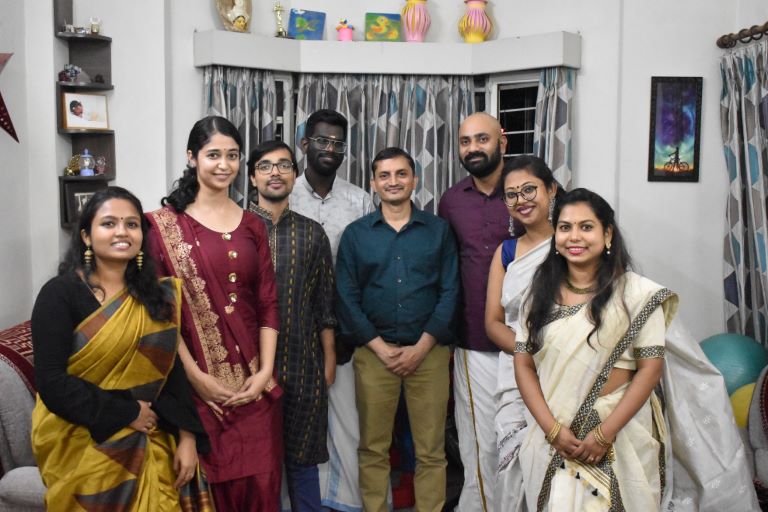
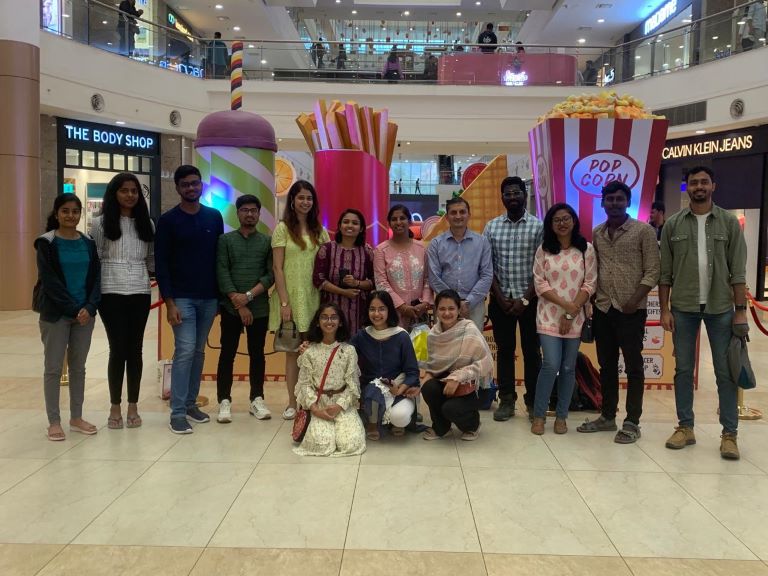
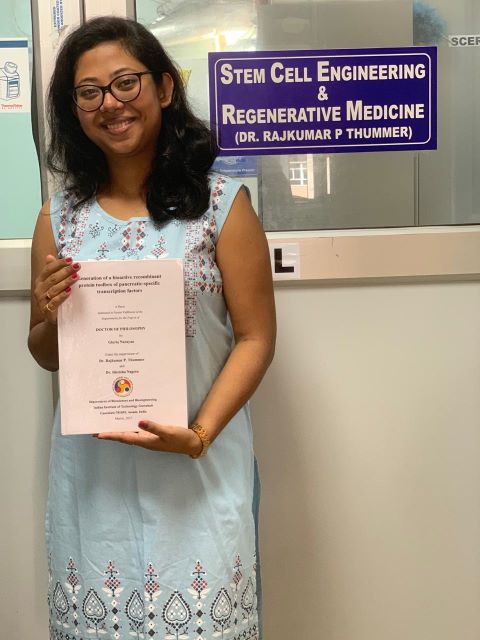
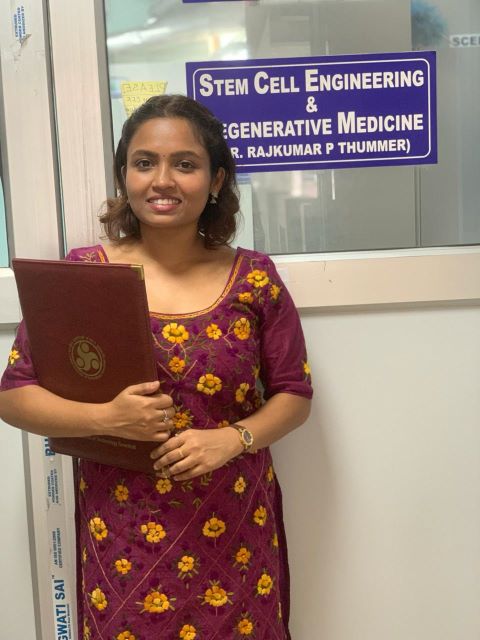
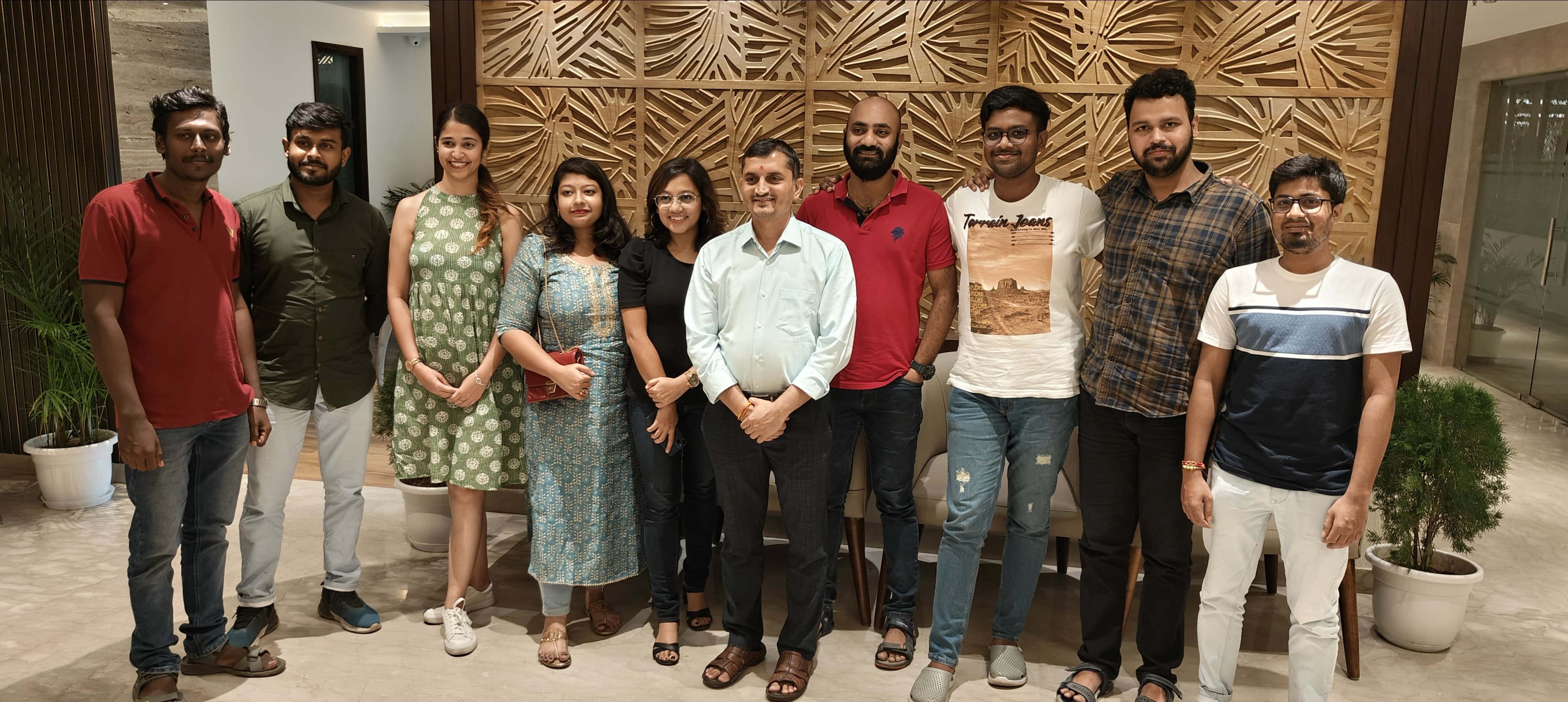
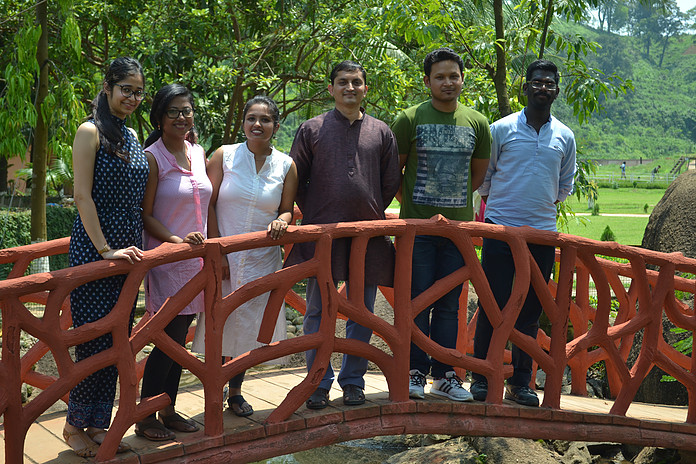
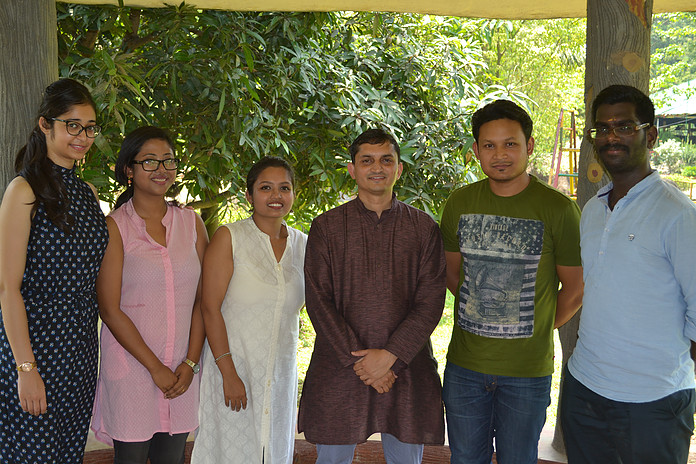
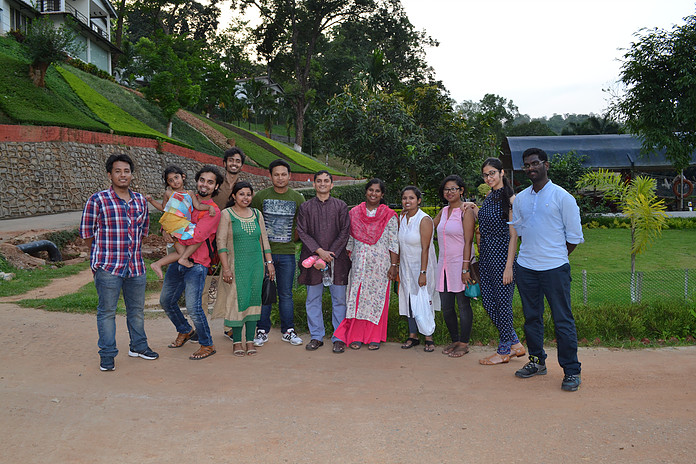
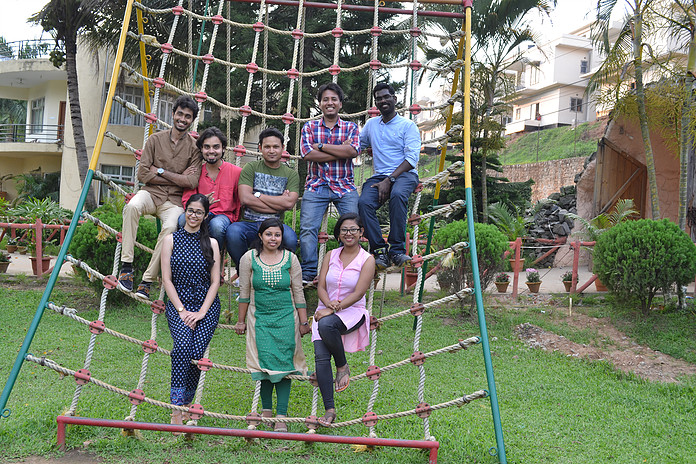
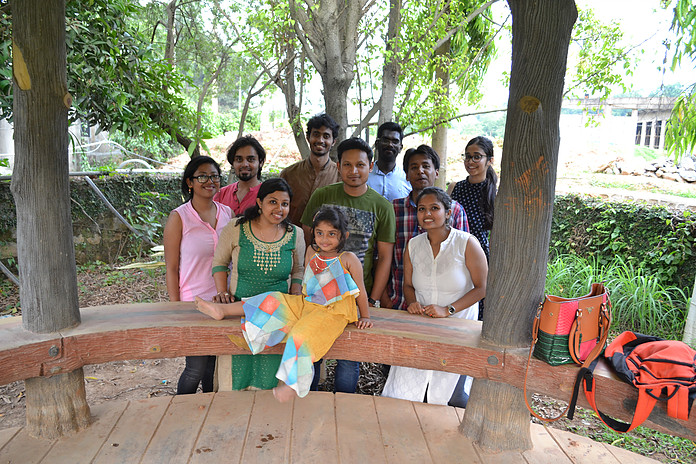
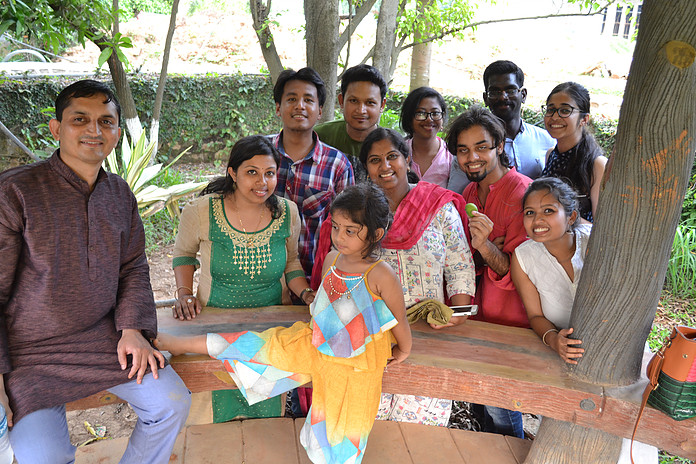
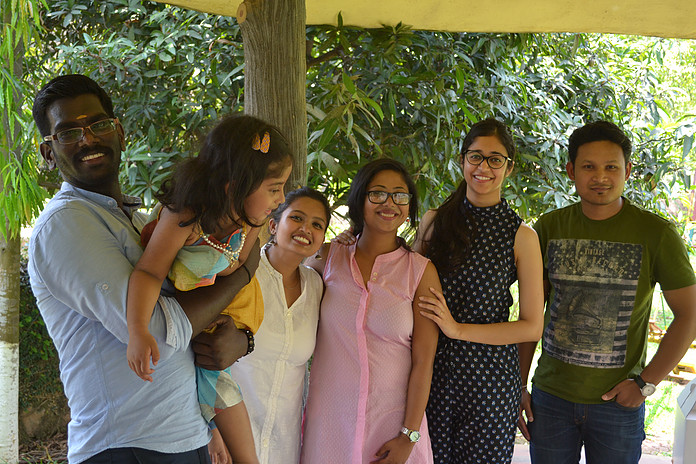
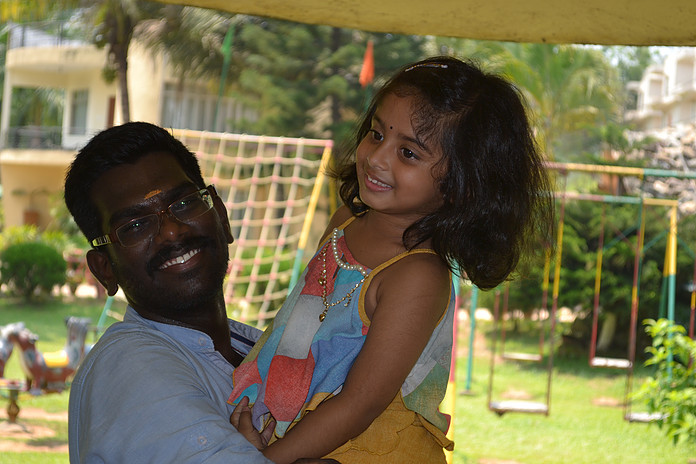
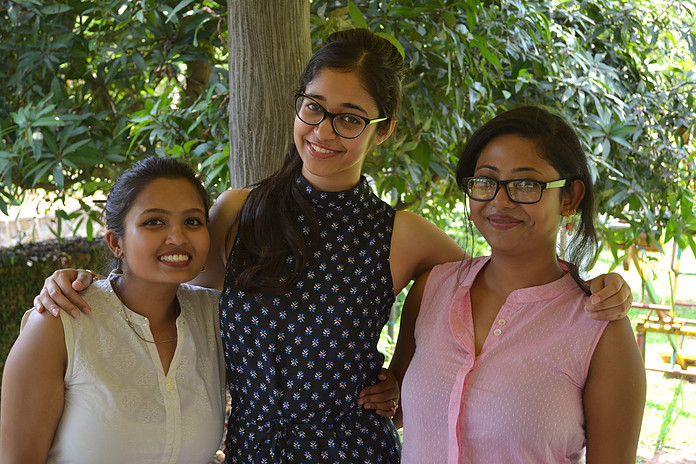
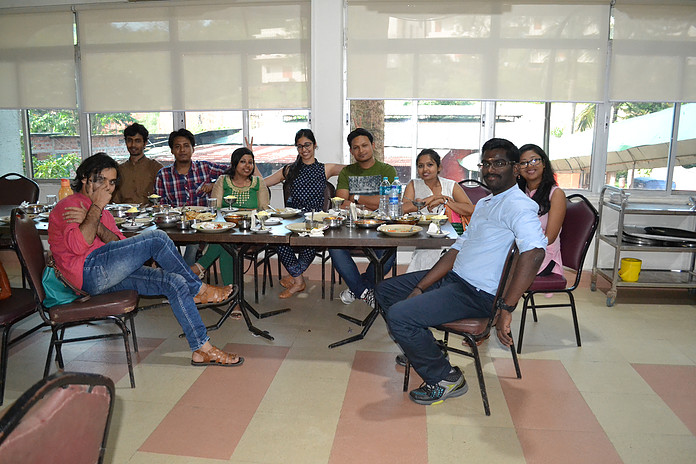
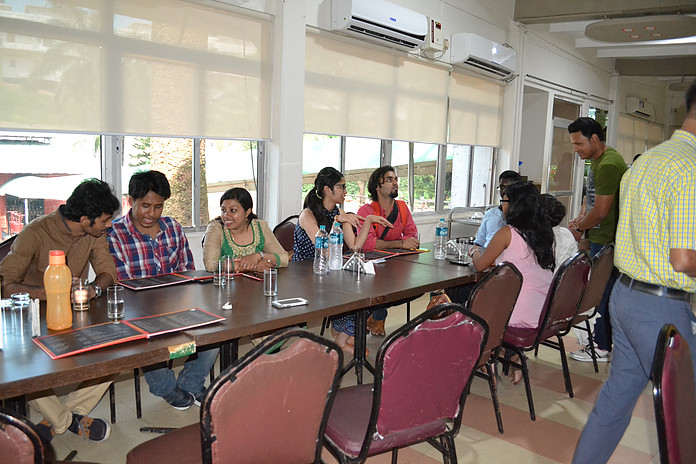
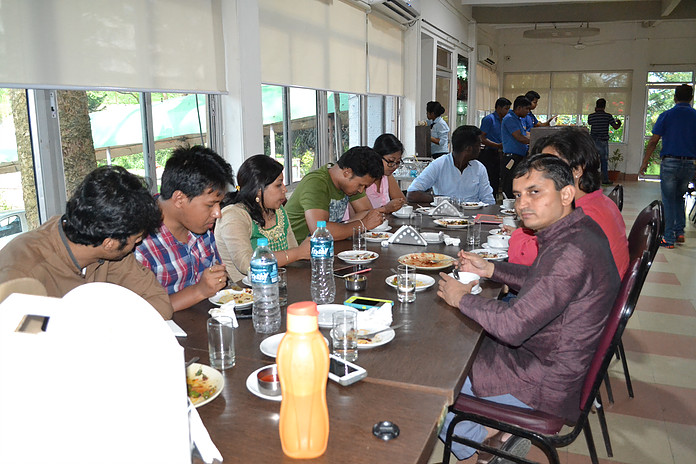
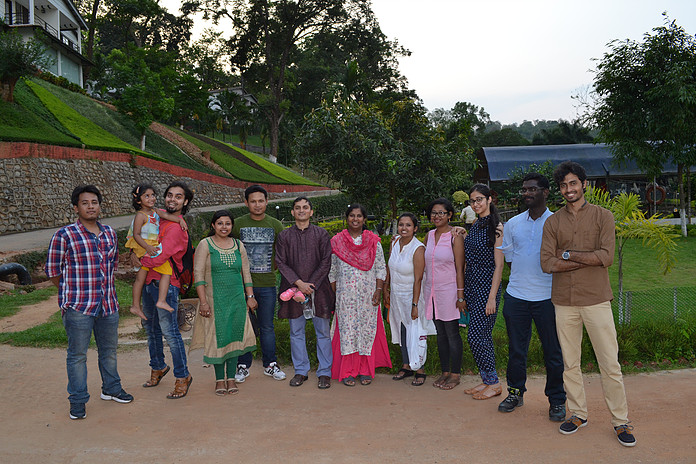
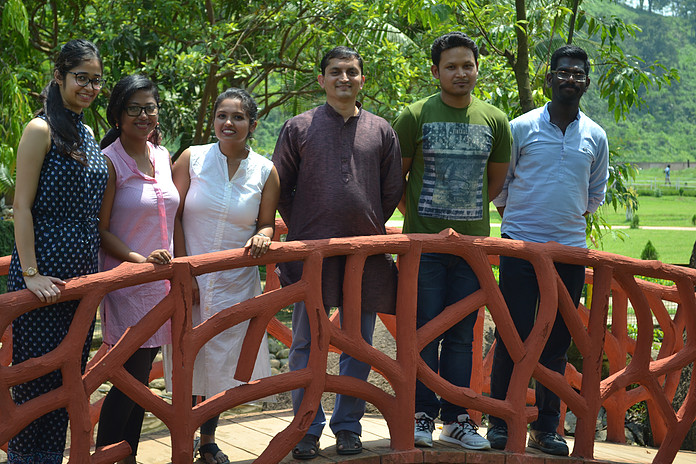
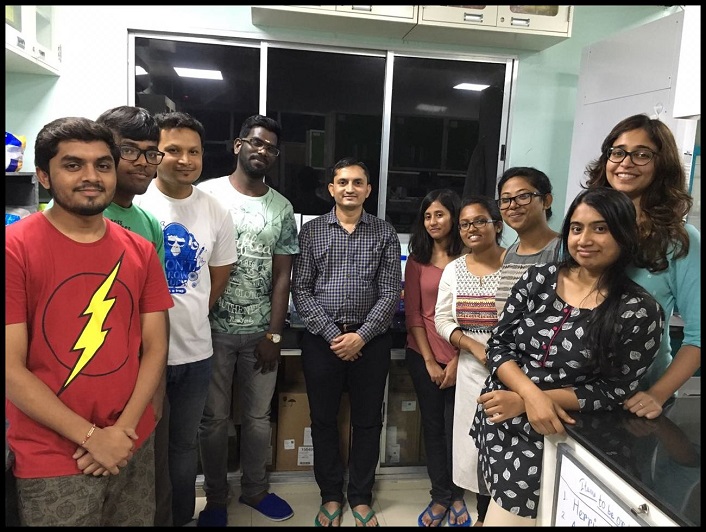
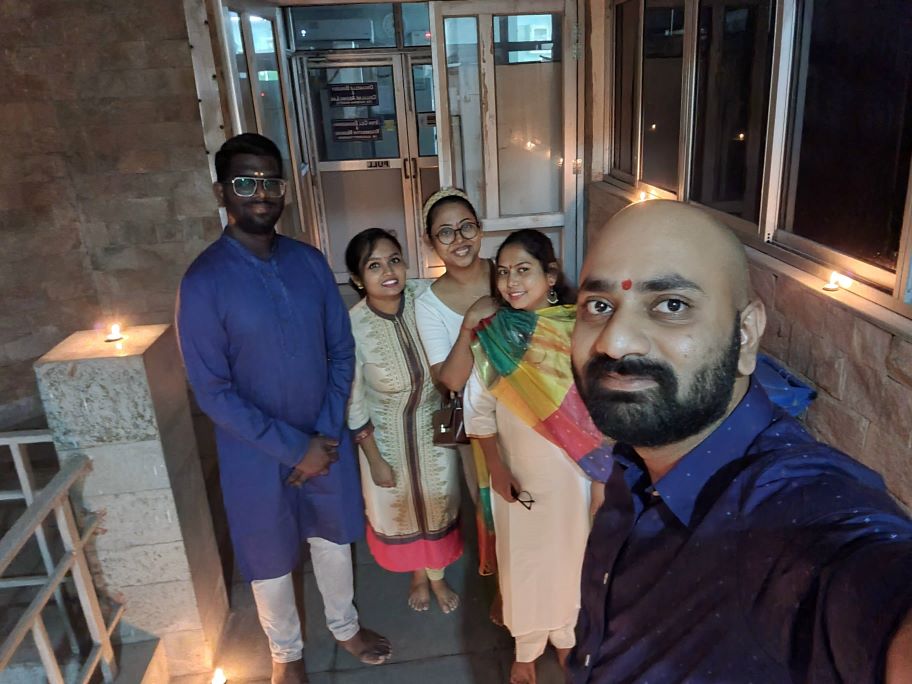
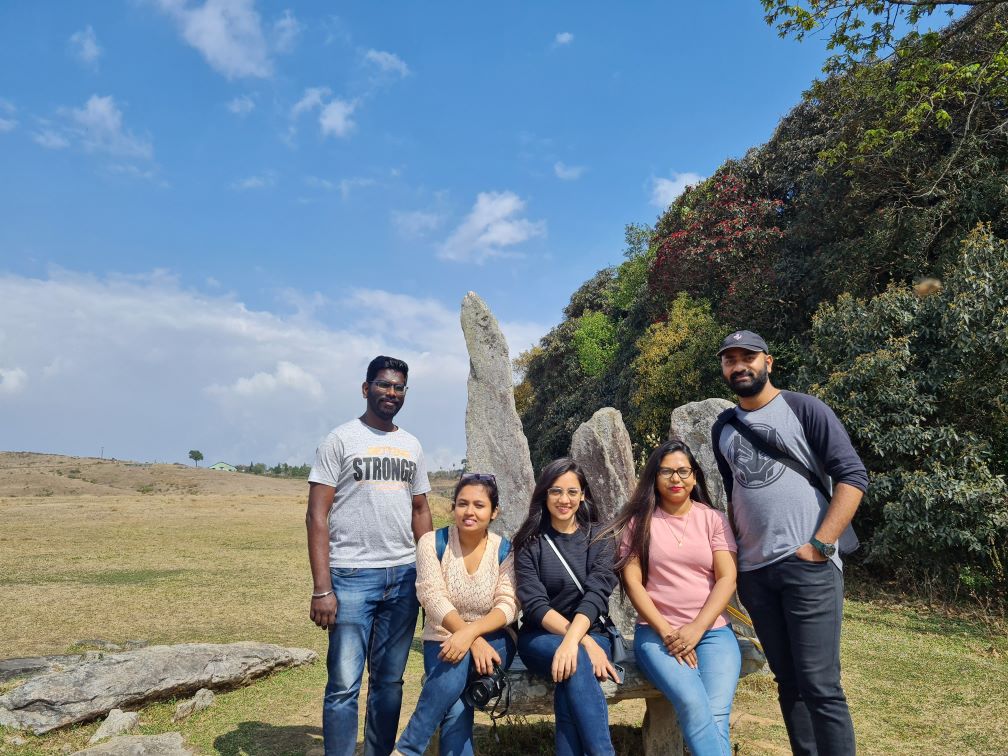
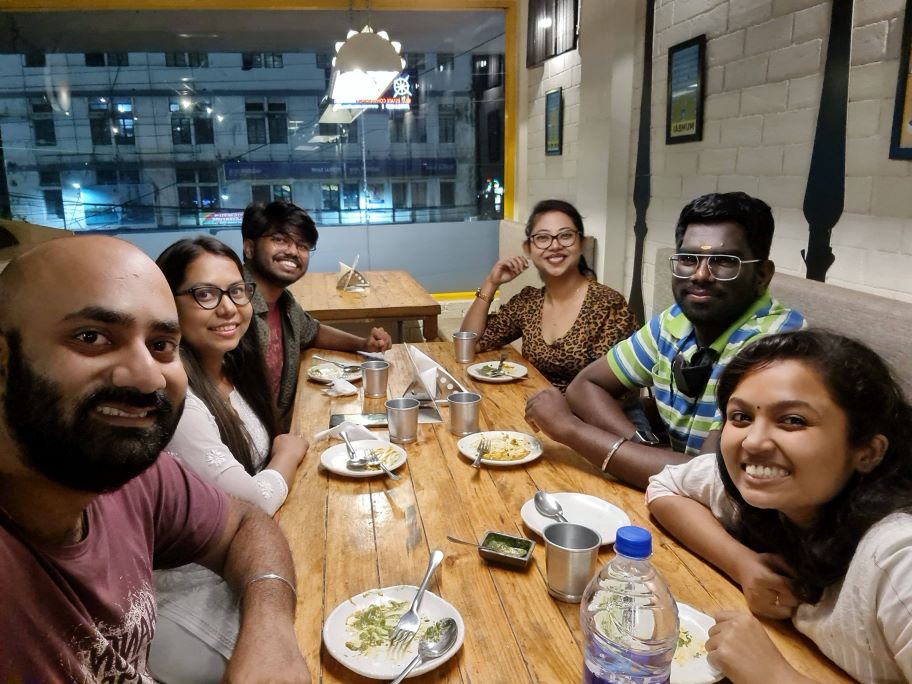
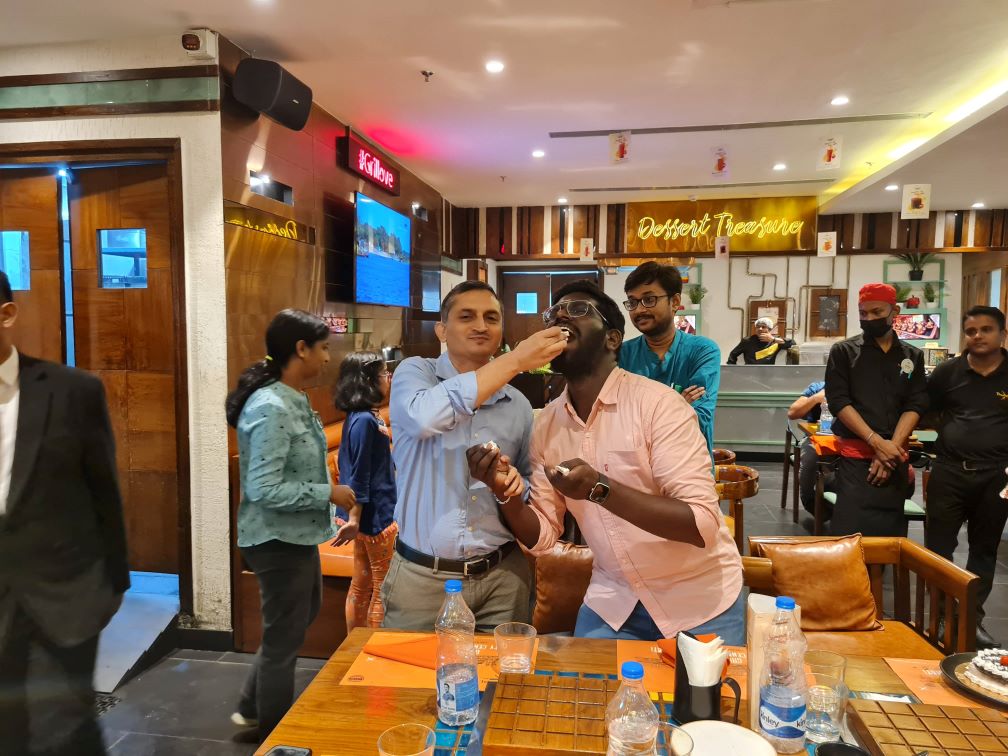
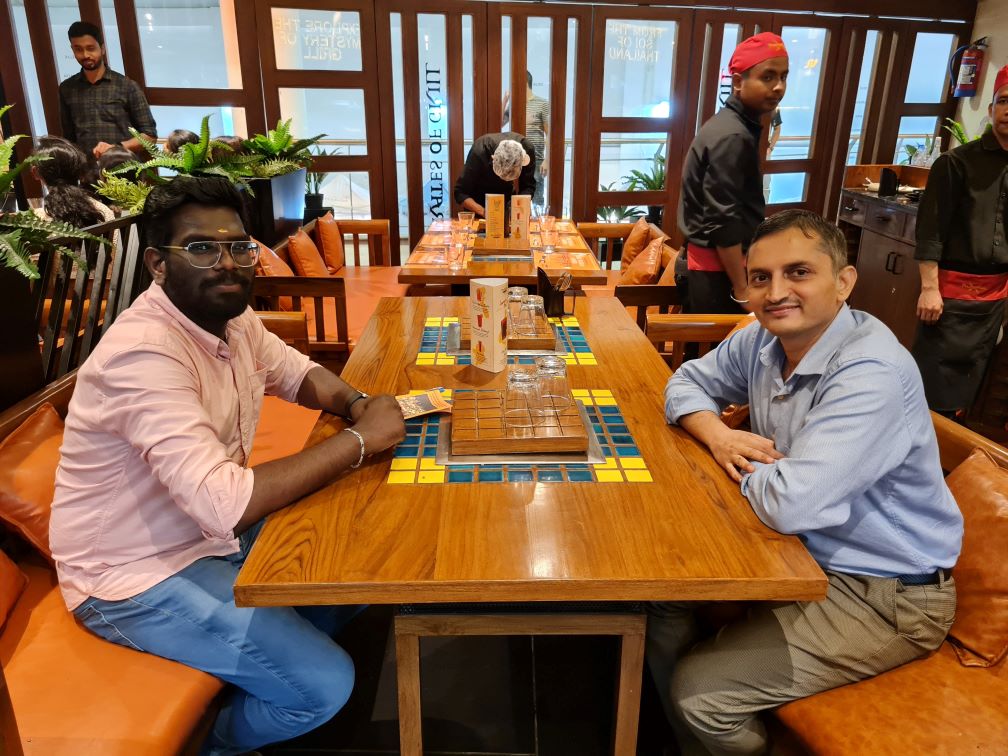
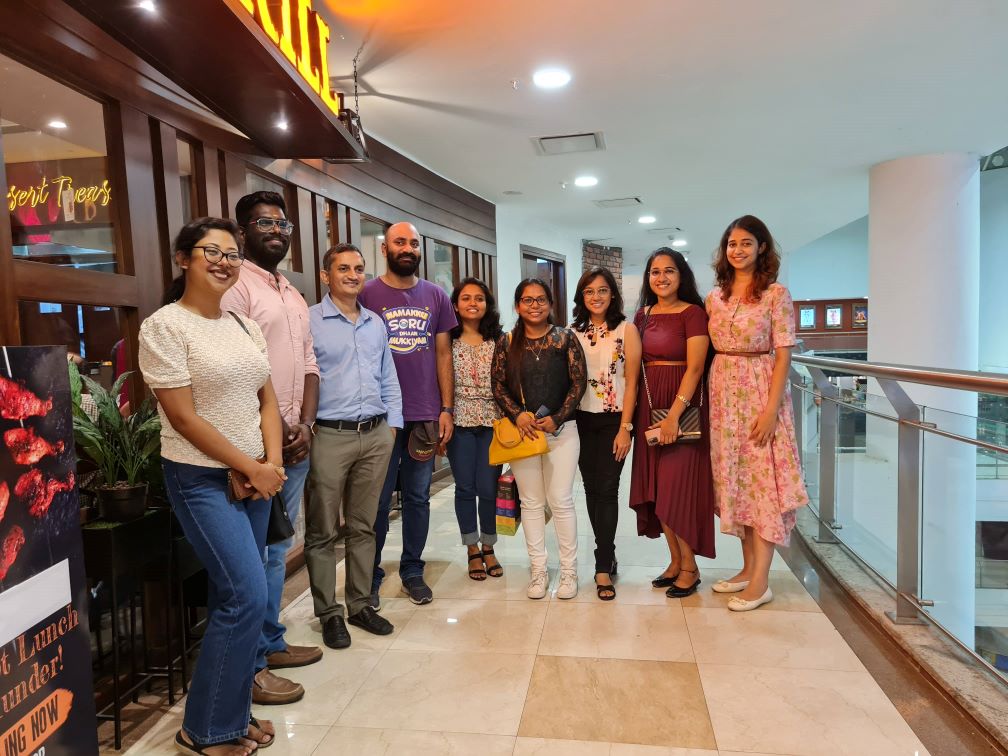
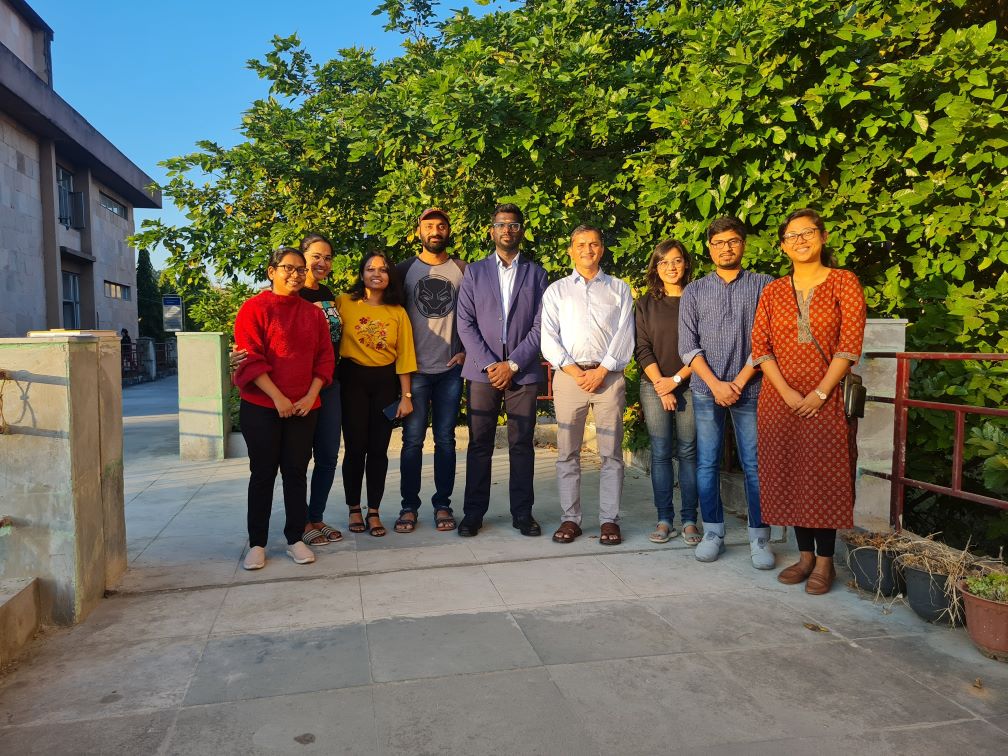
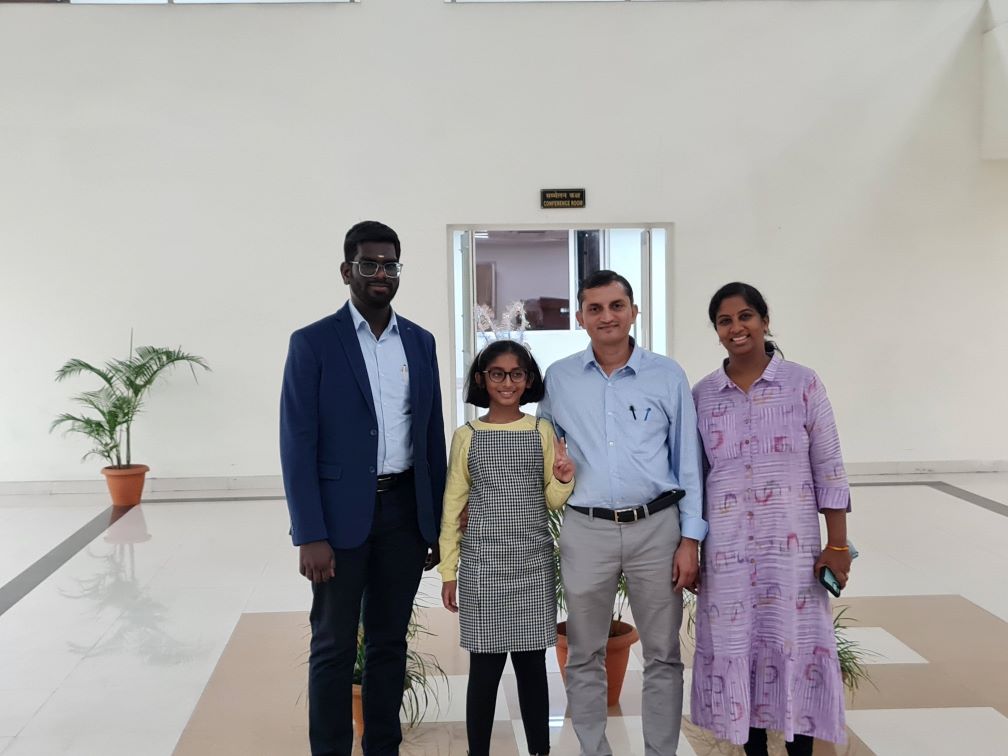
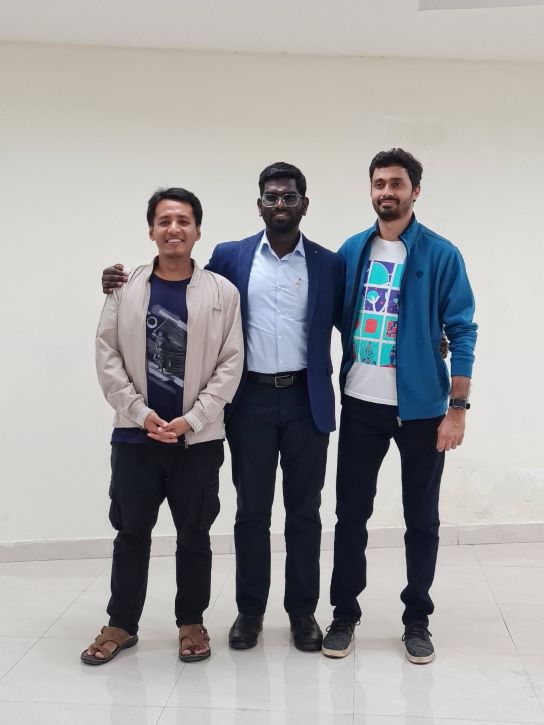
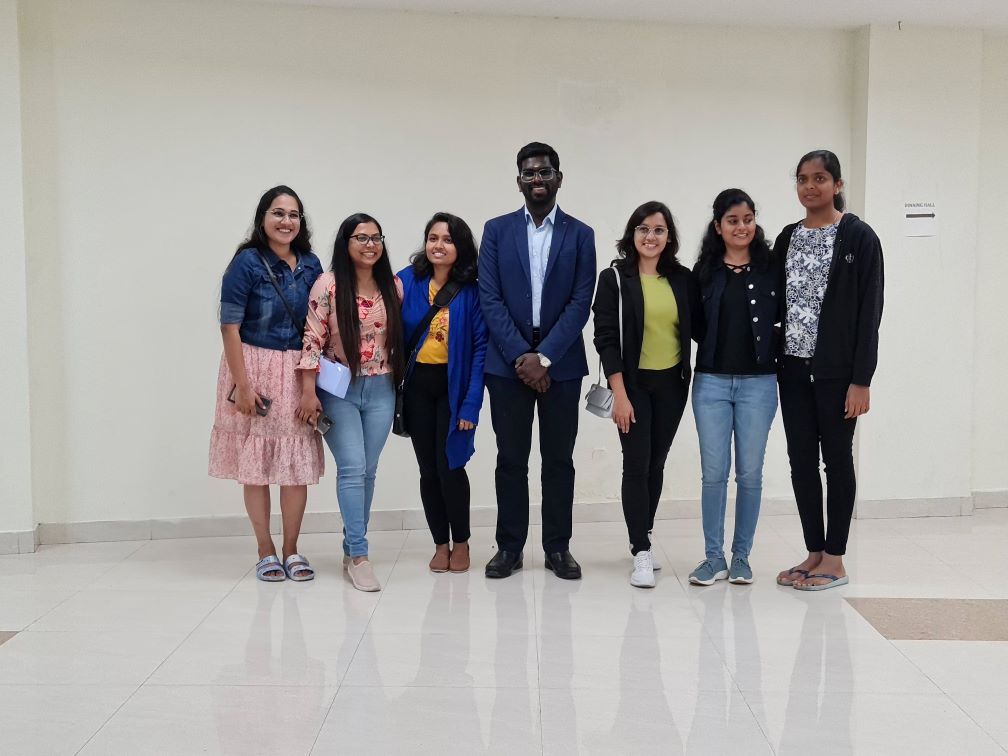
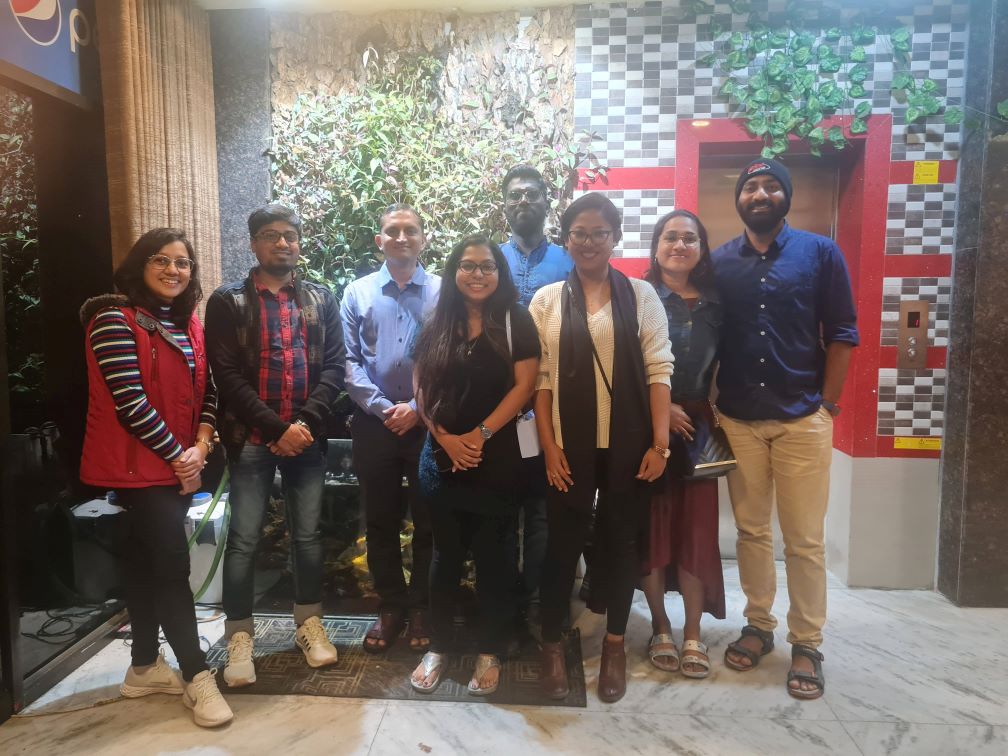
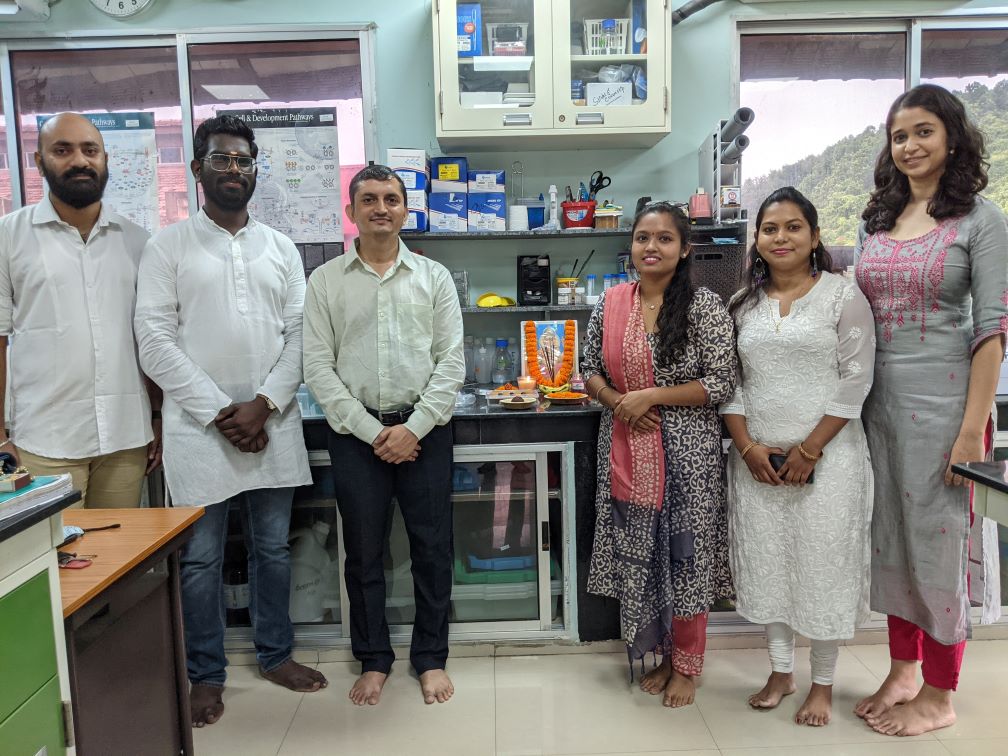
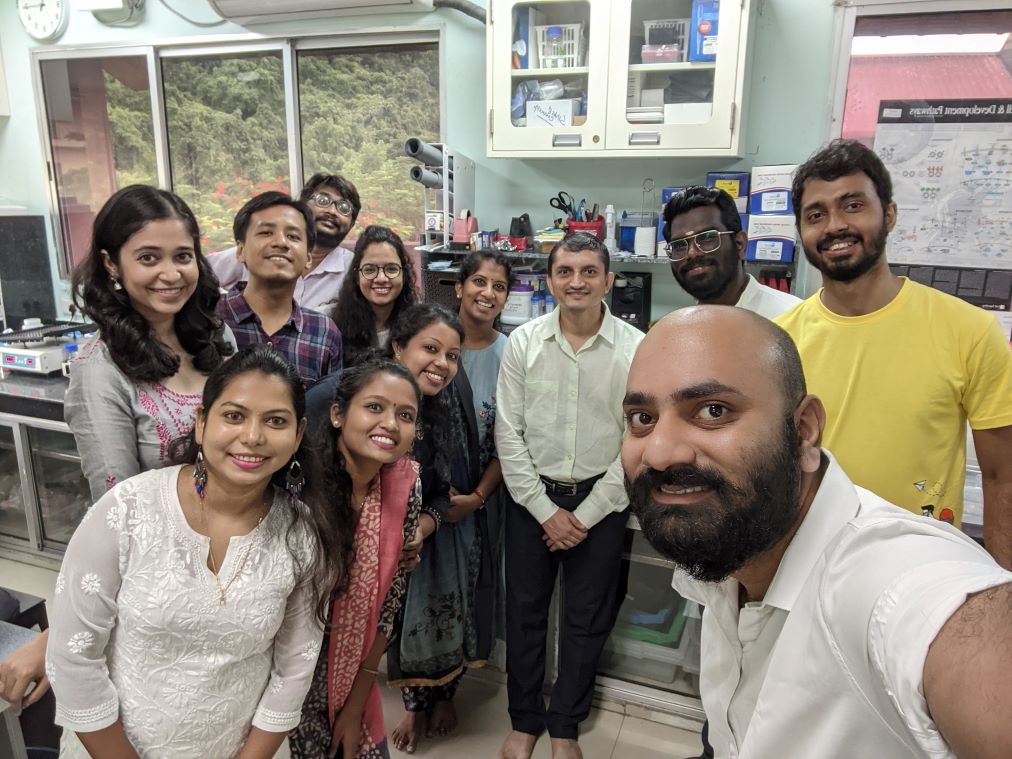
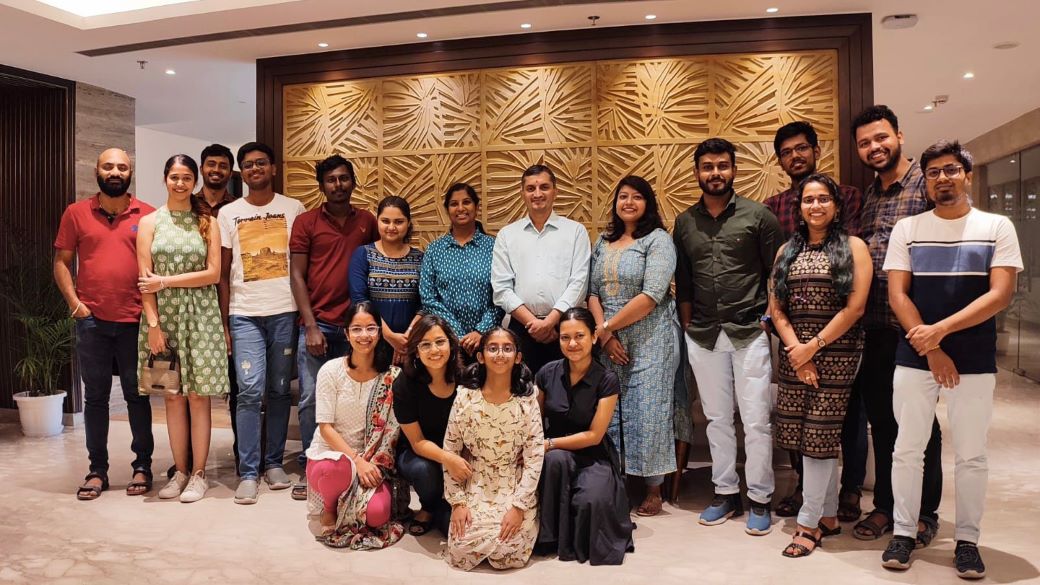
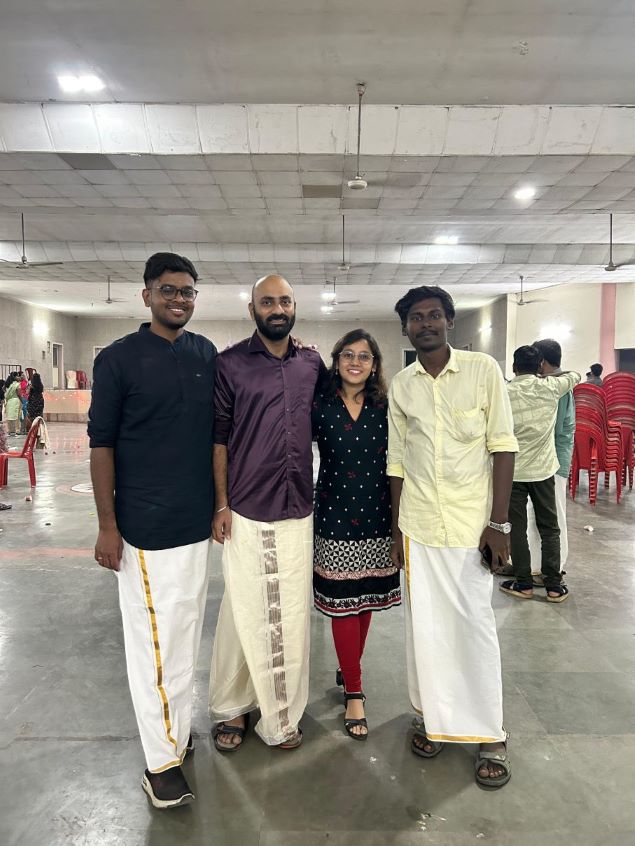
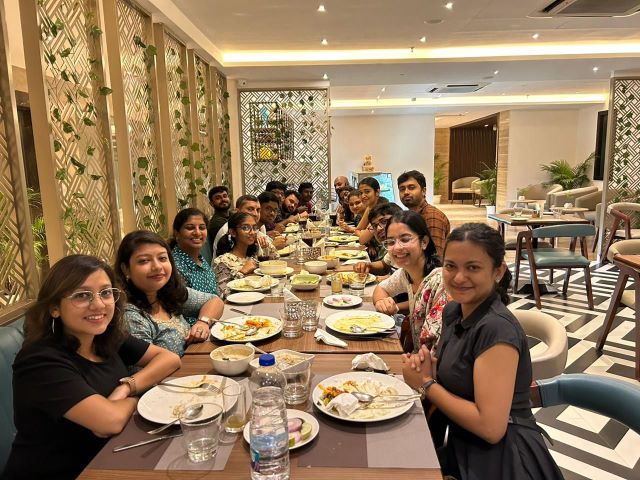
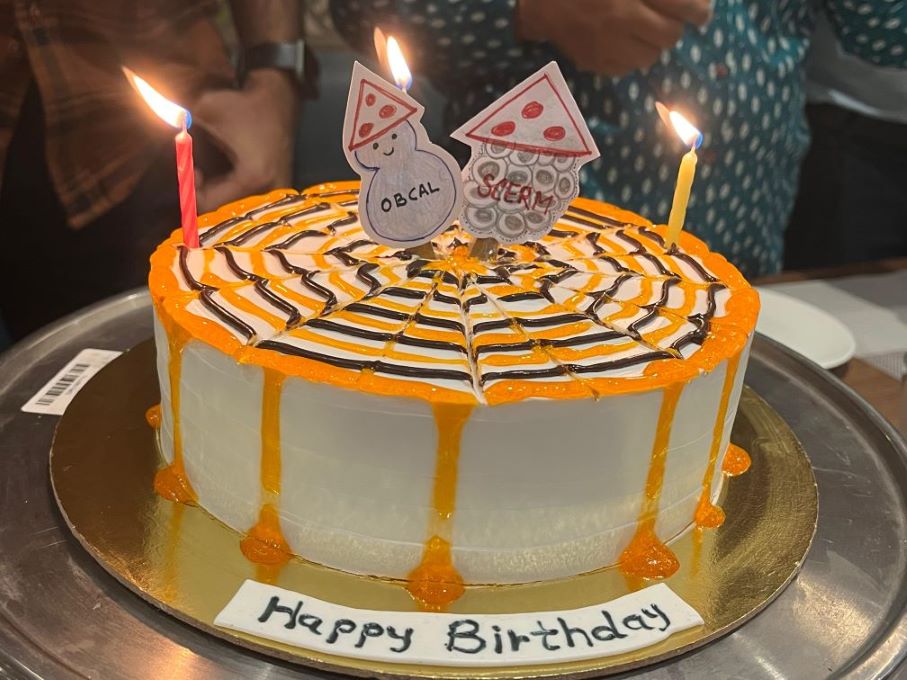
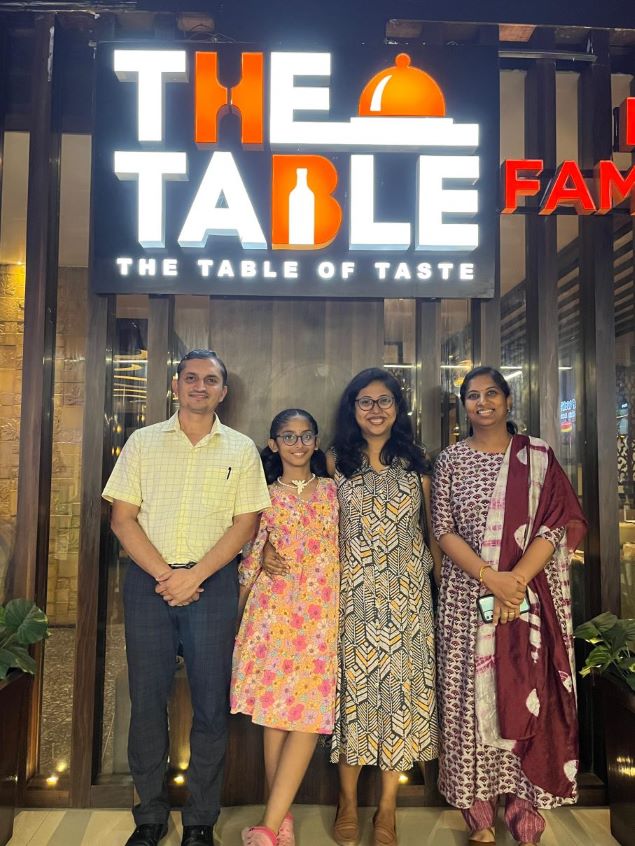
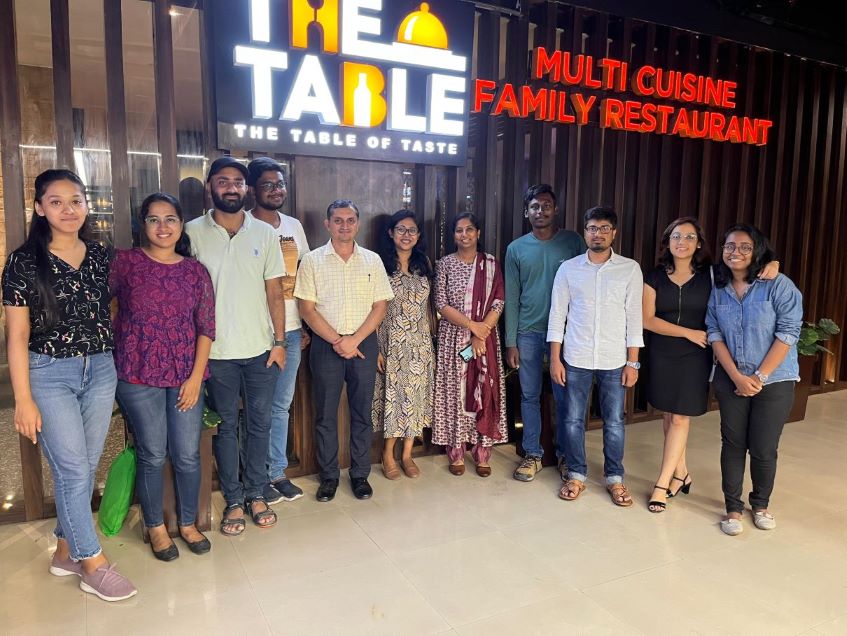
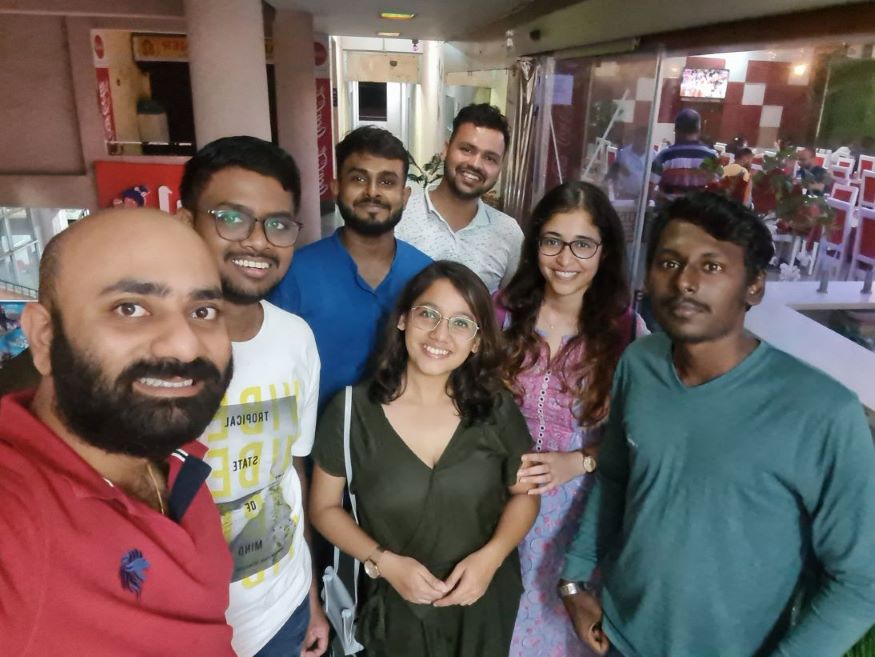
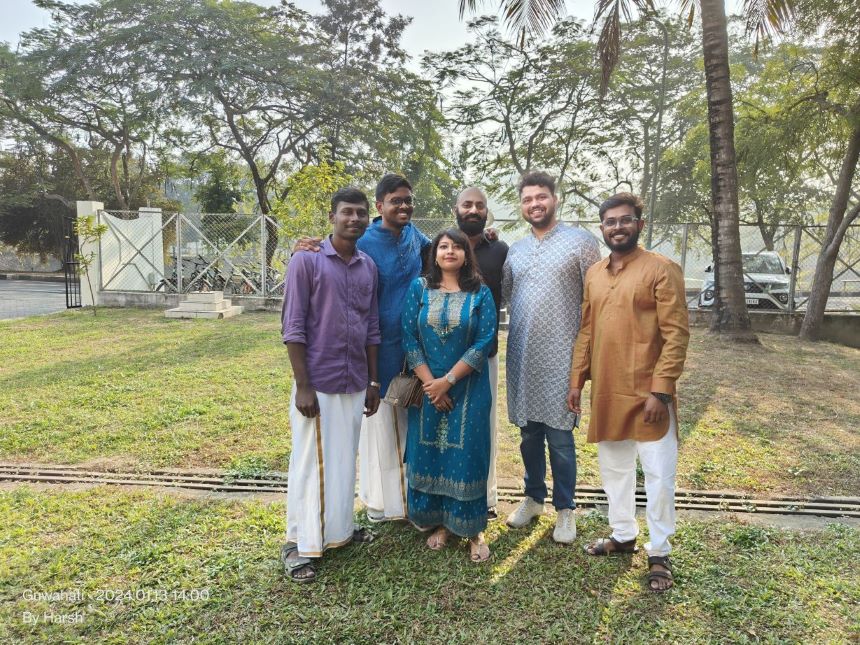
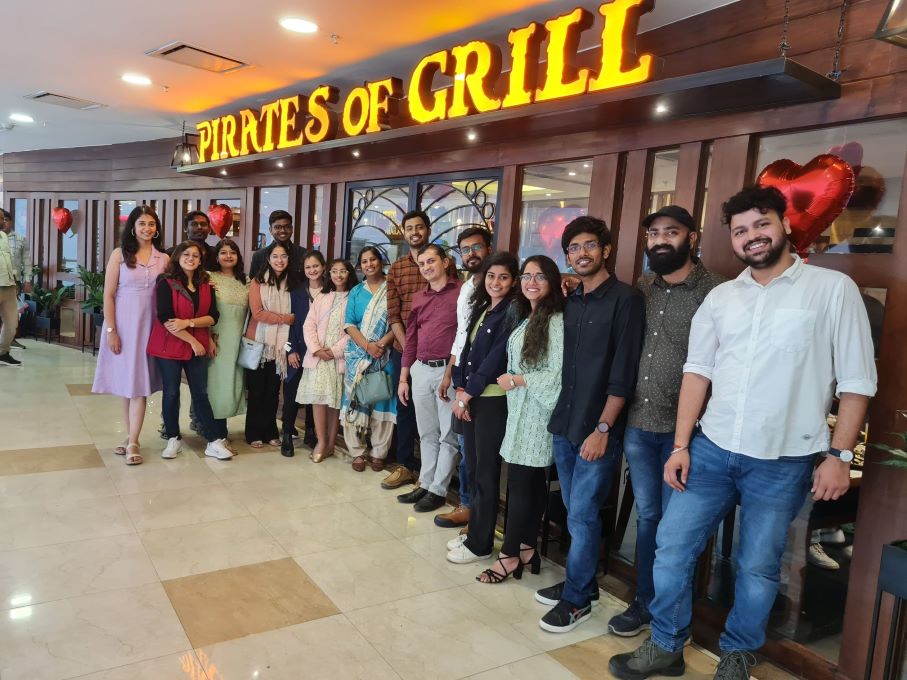
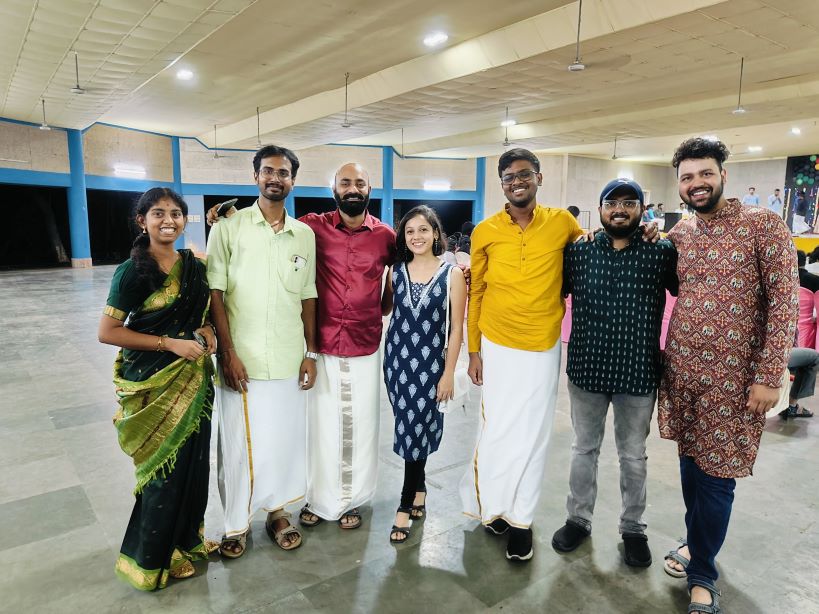
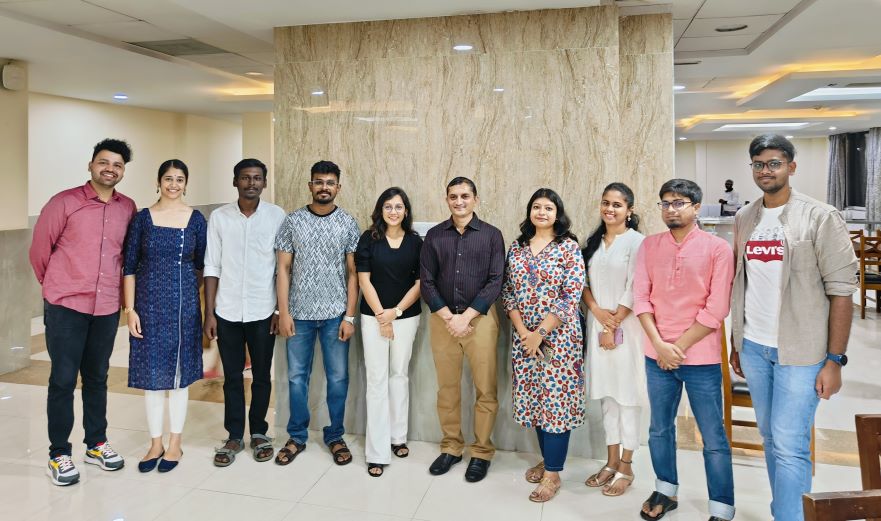
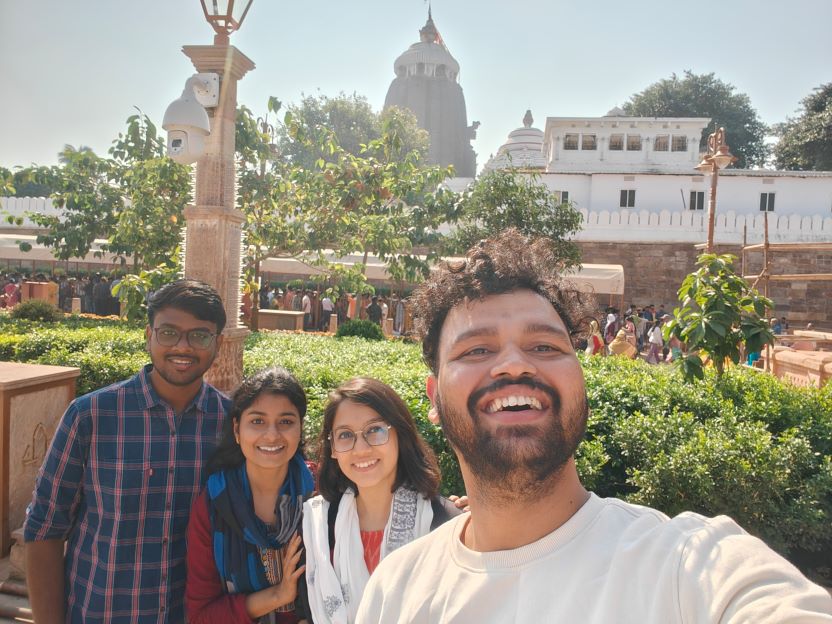
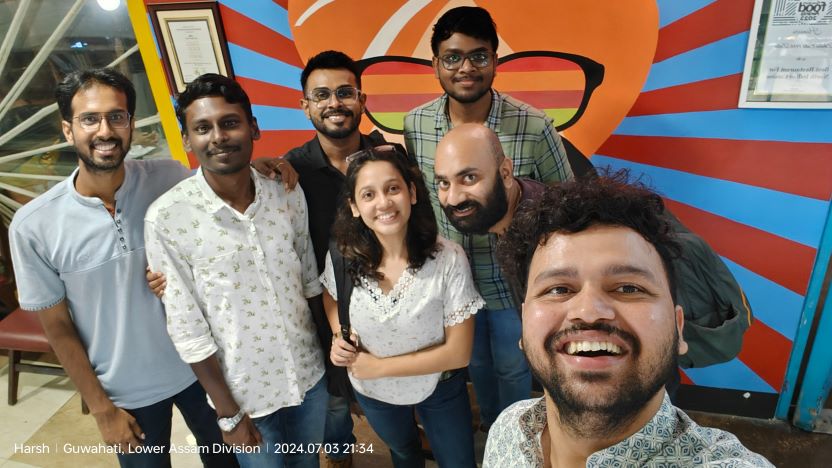
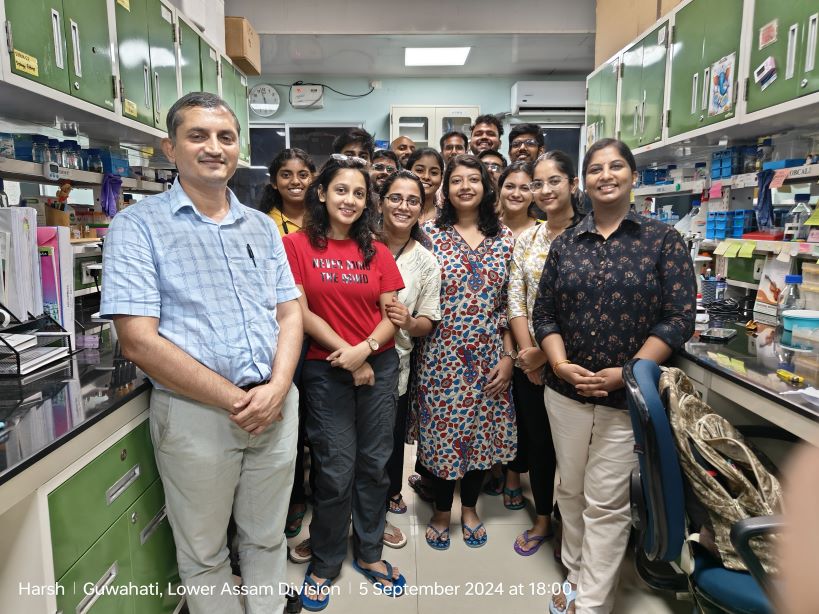
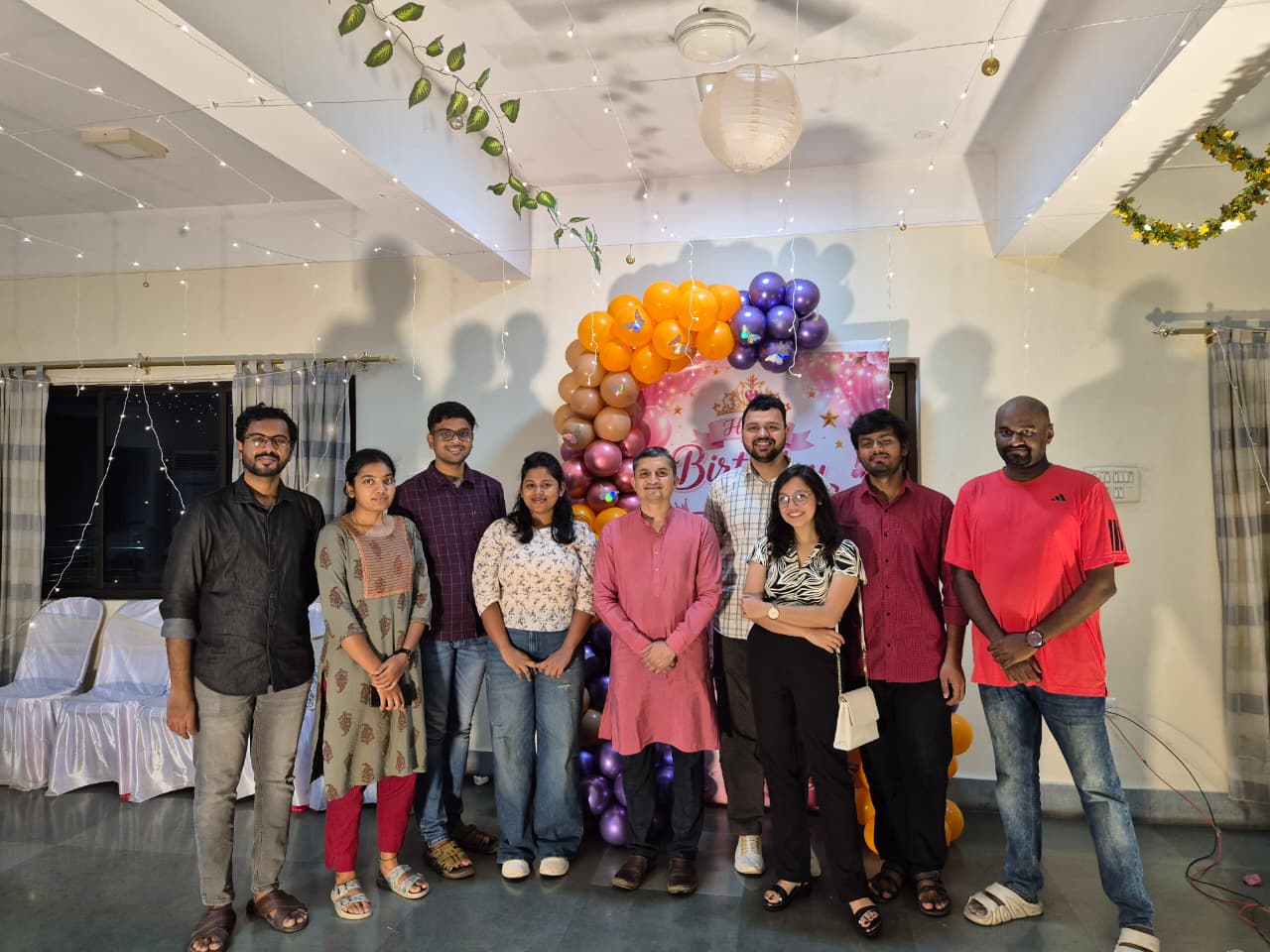
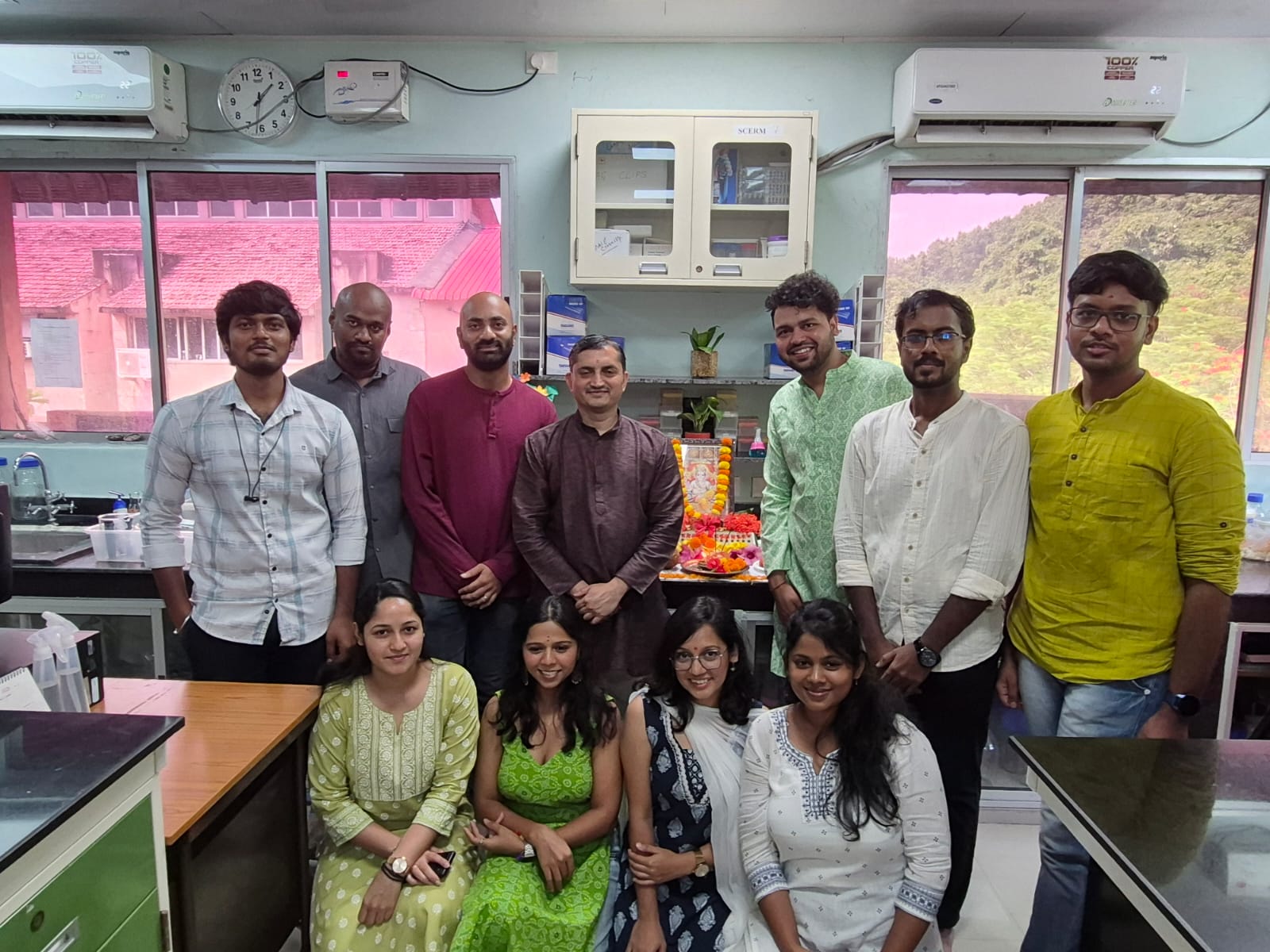
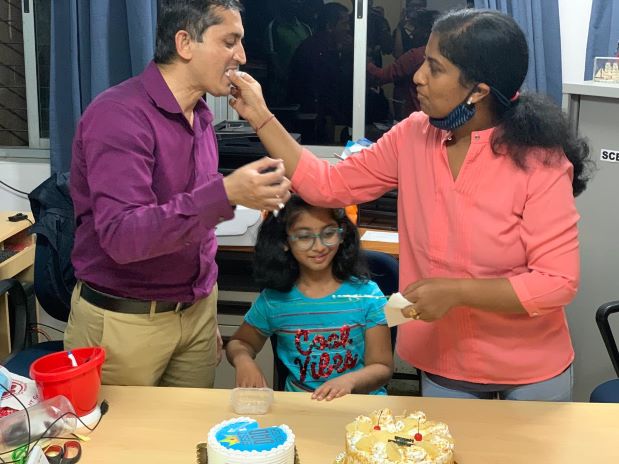
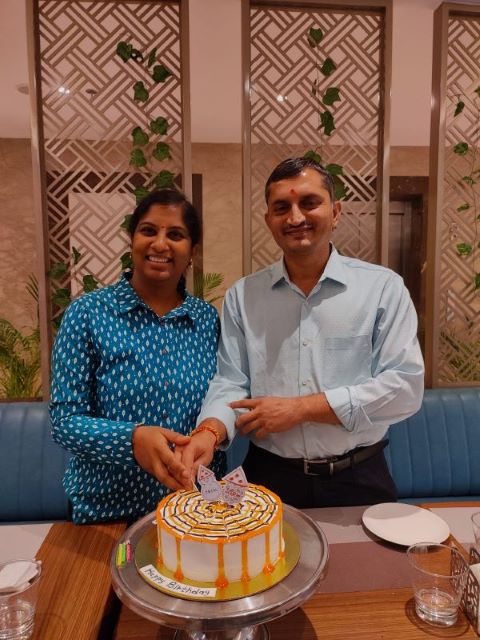
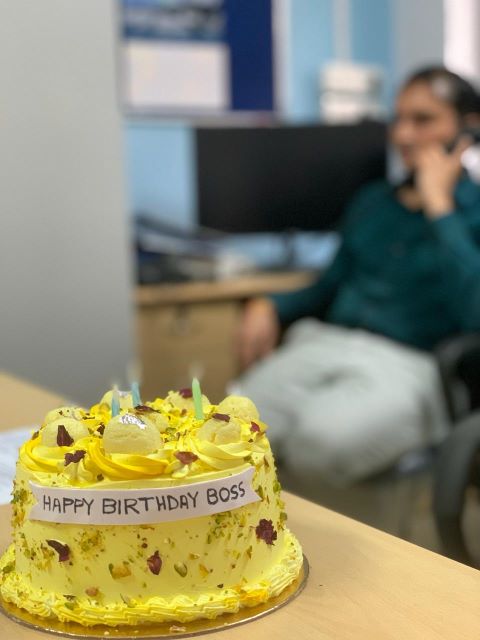
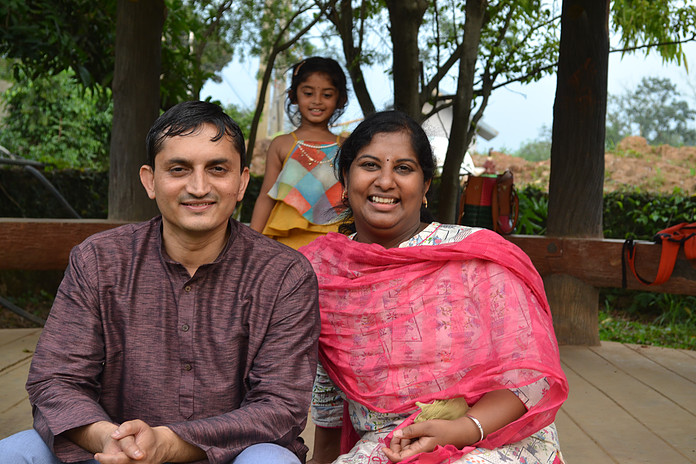
Lab life, experiments, conferences, and achievements




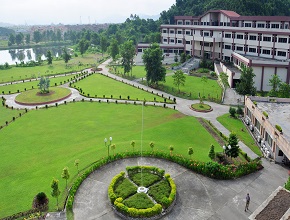
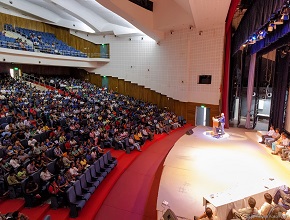

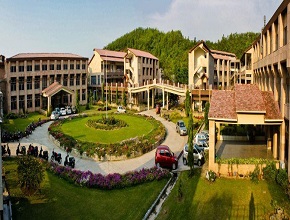
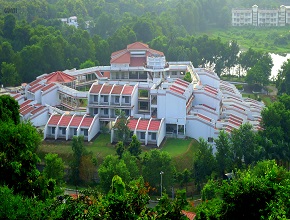





Latest publications, achievements, and announcements from SCERM Lab
Reach out for collaborations, PhD enquiries, or to join the lab
Dr. Rajkumar P. Thummer
'O' Block, Office #007 (Ground Floor)
Laboratory for Stem Cell Engineering and Regenerative Medicine (SCERM Lab)
Department of Biosciences & Bioengineering (BSBE)
Indian Institute of Technology Guwahati (IITG)
Amingaon, North Guwahati, Assam – 781039, India
+91-361-258-3208
Prospective PhD students should apply through the IIT Guwahati PhD admissions portal. For JRF or internship enquiries, email Dr. Thummer with your CV and a brief statement of research interest.